Your City. Your Market. Your Next Deal.Stay up to date on national urban real estate |
|
📅 Today's Story: Arlington, TX—America’s largest city without a fixed-route public transit system—is relying on on-demand vans and private vehicles to keep its 400,000 residents mobile. A viral video shows how car-free living works in this uniquely transit-absent city.
📝 Editor's Note: Sorry for the delay in the weekly roundup, which normally runs on Mondays. What can we say-that 4-day weekend was very much needed! We hope you all had a great time with friends and family, and some much-needed RnR.
TRANSPORTATION
Arlington’s Car-Free Workaround: Microtransit Over Mass Transit |
|
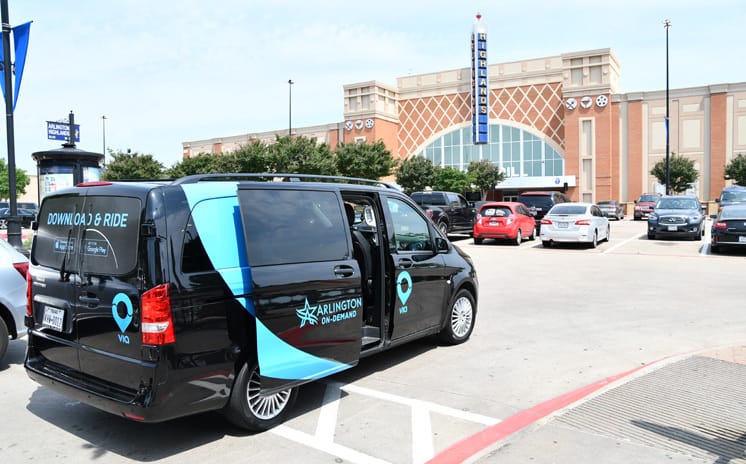
An Arlington On-Demand van is parked outside the Arlington Highlands shopping center (Source: Arlington Convention & Visitors Bureau)
📰 What Happened: Arlington, TX, is officially the largest U.S. city without a fixed-route public transit system. Its 400,000 residents get around with “no trains, no scheduled buses,” and only a microtransit system that’s far from guaranteed. How have they managed to pull this off collectively—and what can other fast-growing metros learn?
🔍 A Closer Look: Aside from the expected rideshares or driving, most residents rely on the city’s newfangled, app-based van service (ironically powered by a New York software company) to fill the transit void. But rides aren’t always reliable or available, making daily errands and appointments a logistical gamble. The city's car-centric layout compounds the challenge for residents without vehicles.
🧠 Why It Matters: Arlington tests the limits of substituting tech for transit infrastructure. As more cities explore microtransit solutions, Arlington serves as a cautionary tale: without dependable fixed-route options, mobility gaps persist, especially for those without cars. For urban planners, it raises another question: How far can cities grow before real transit becomes essential?
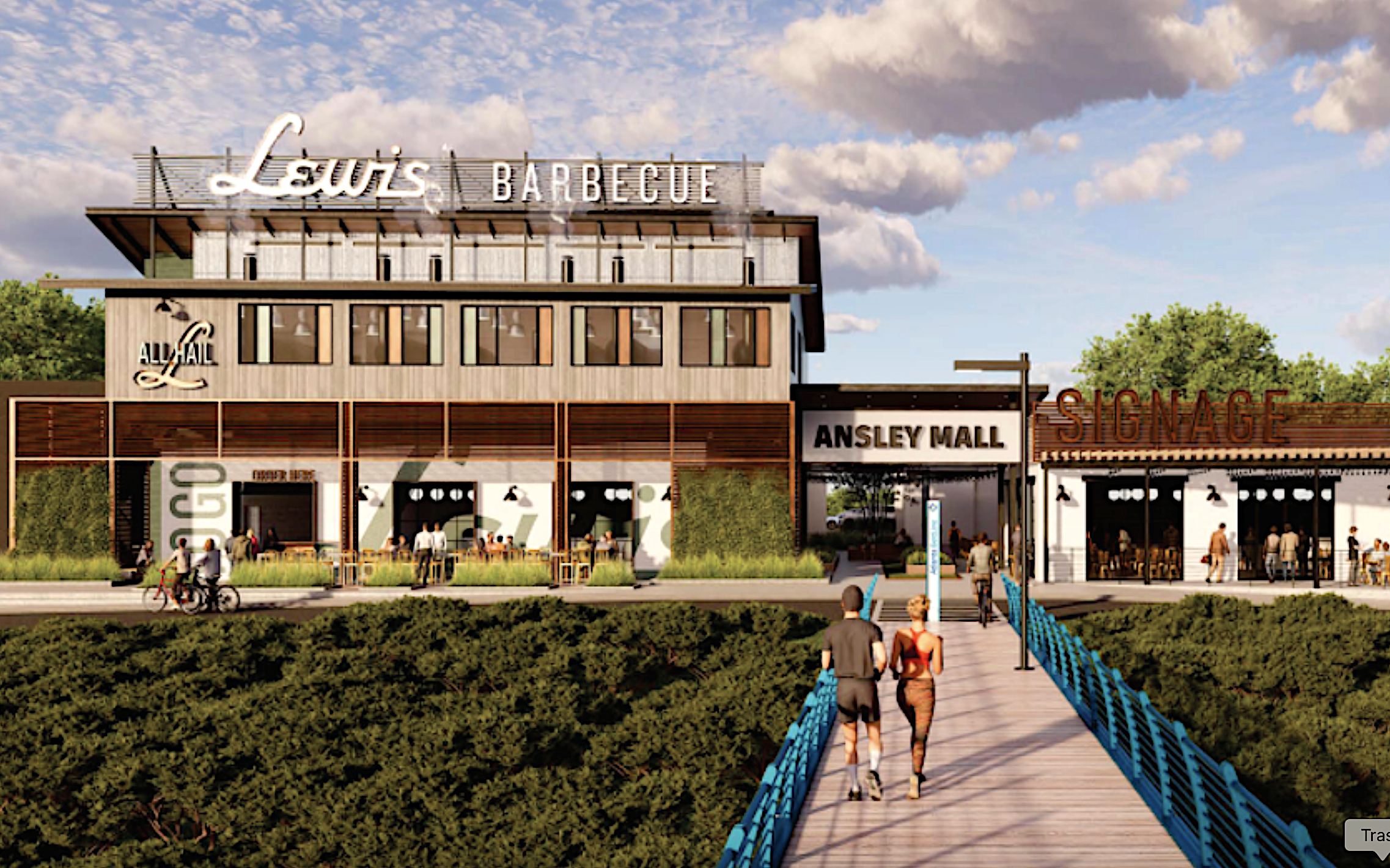
| Piedmont HeightsAnsley Mall bridge, ‘world’s first rooftop smokehouse’ opening soon Michelin-recognized Lewis Barbecue to debut 8,000-square-foot location, large deck over Northeast Trail |
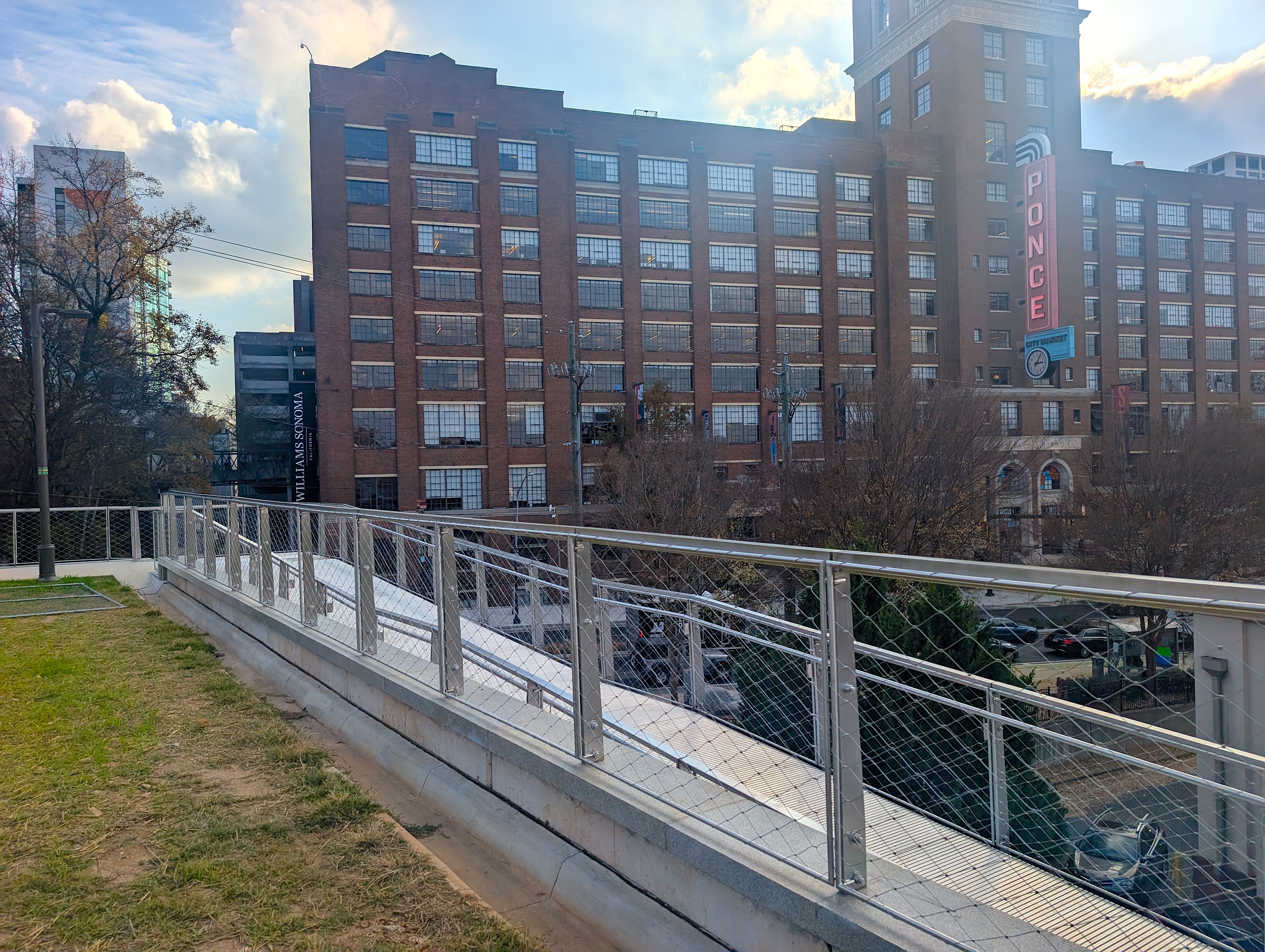
| Virginia-HighlandLong-sought Atlanta Beltline connection at Ponce is here at last! Woo! Crucial link between commercial corridor, Eastside Trail has been more than a decade in the making |
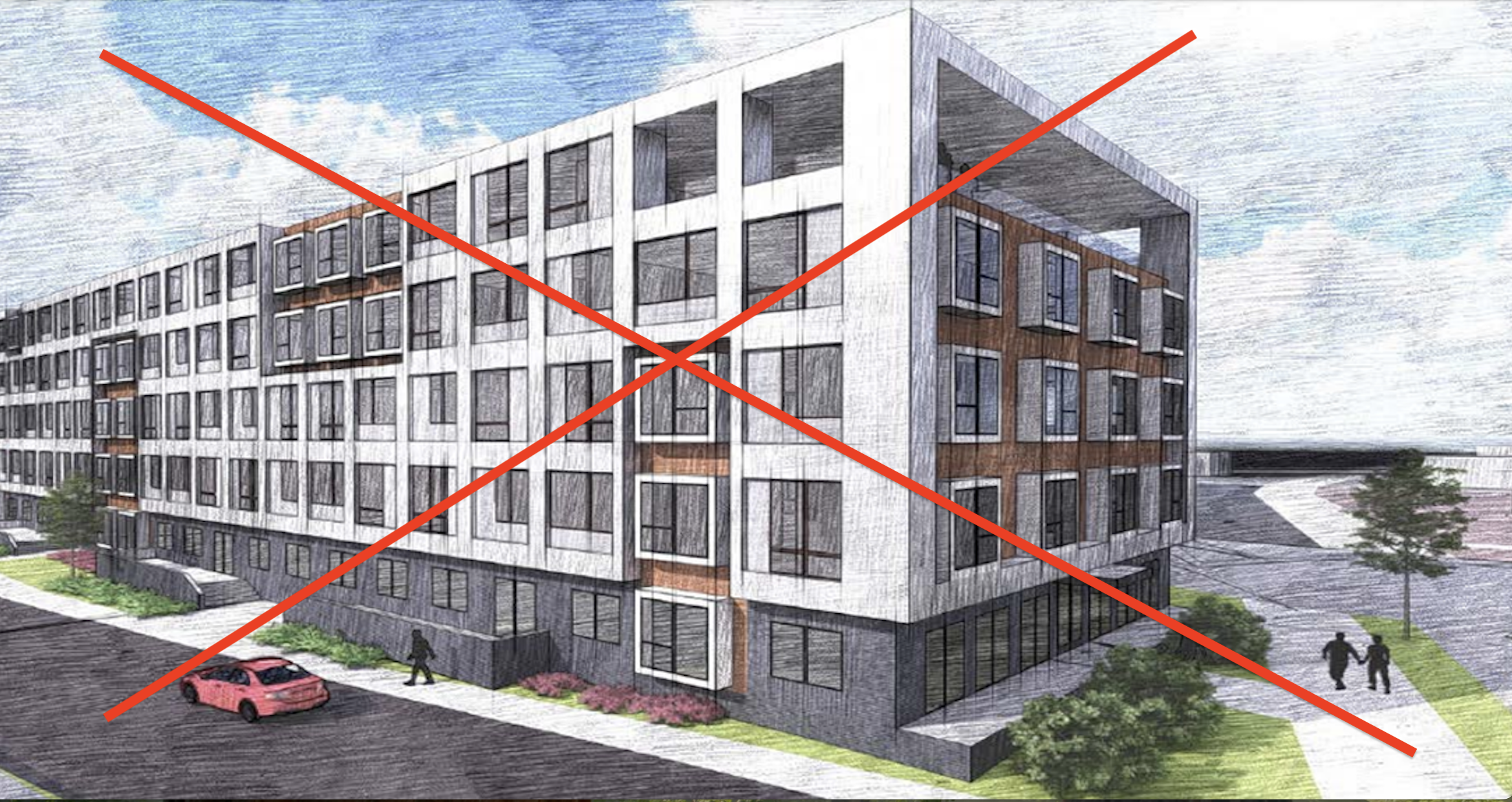
| ReynoldstownAnother self-storage building rises—where housing was once planned Reynoldstown project marks latest case of storage facility near Beltline's Eastside Trail |
| South LoopFoundation permit issued for hotel development at 424 S. WabashThe Marriott Tribute Hotel will stand 23 stories tall with 340 hotel rooms |
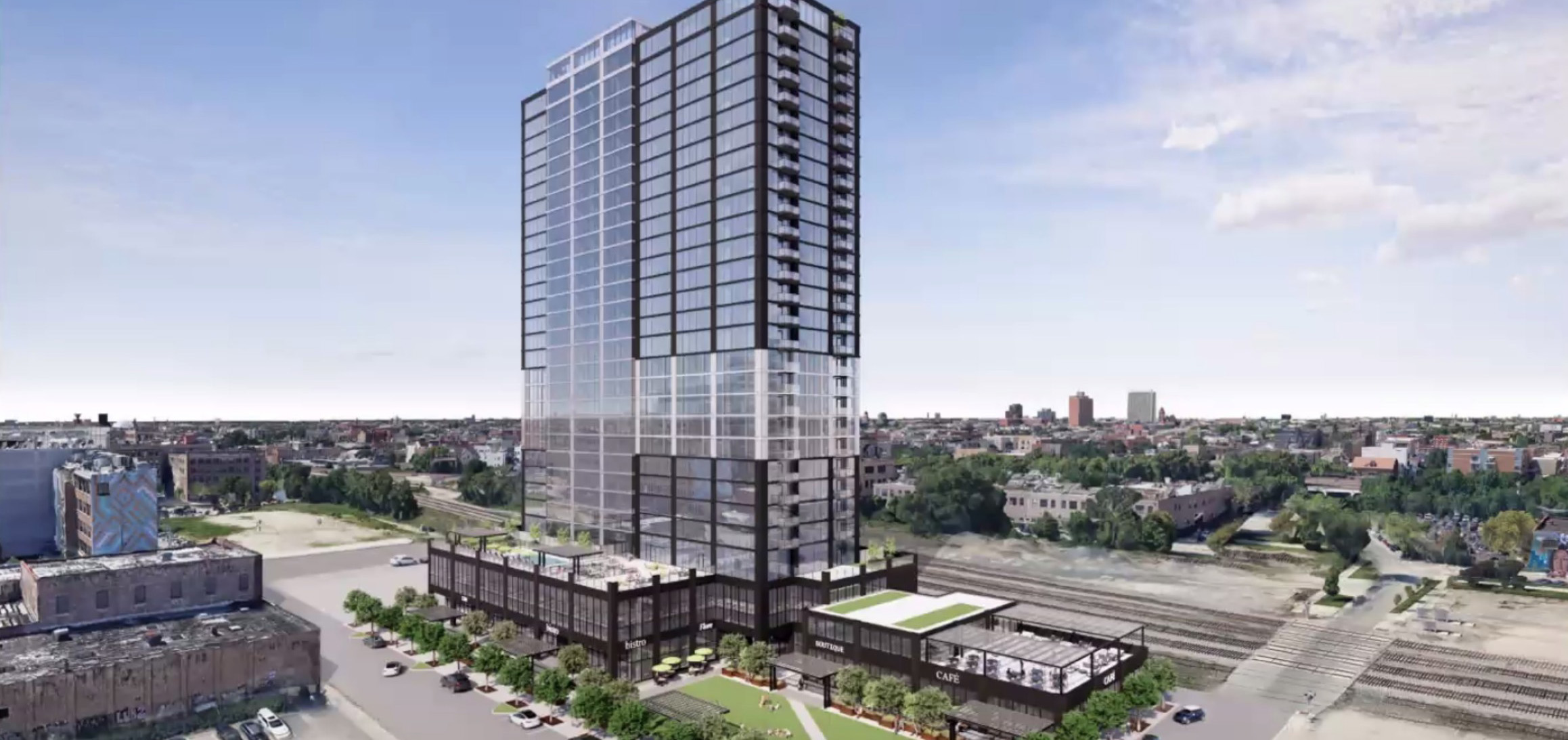
| Fulton MarketPlan Commission approves mixed-use development at 1200 W. CarrollThe 29-story tower will replace plans for an office tower by Sterling Bay |
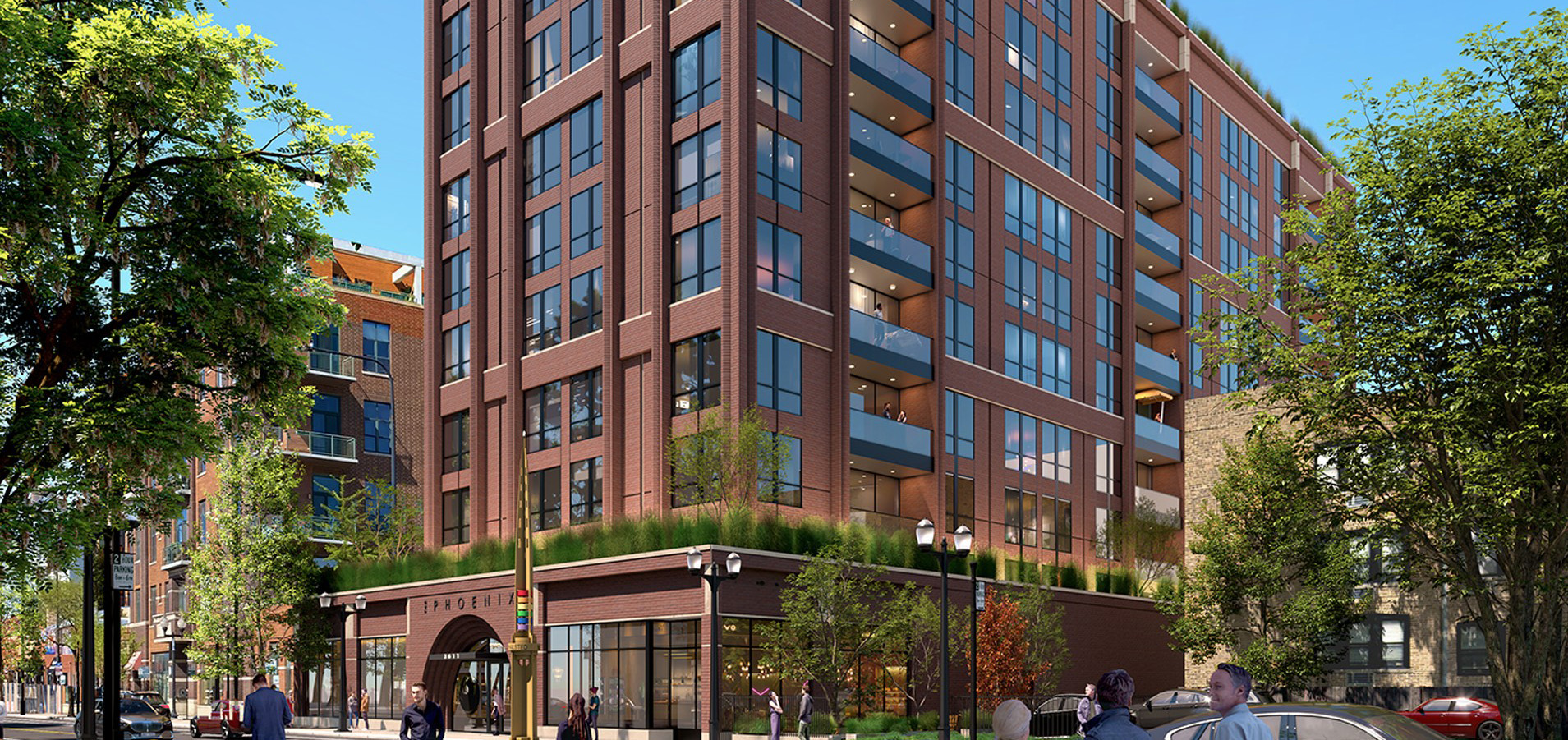
| LakeviewAlderwoman Clay announces support for 3611 N. HalstedThe 12-story building would have 188 apartments and a cafe |
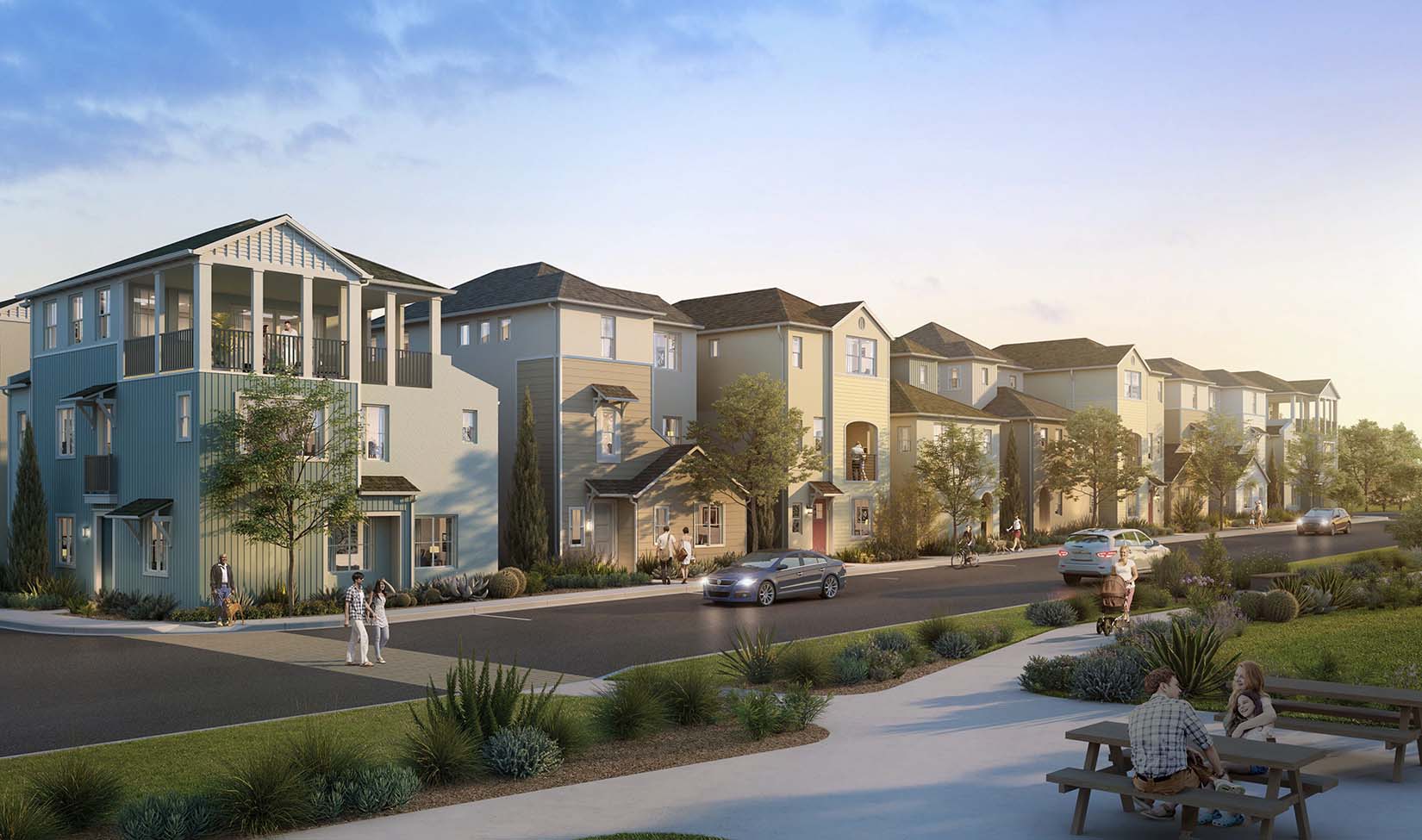
| Woodland Hills398 homes planned for portion Woodland Hills Country Club property20 acres of the golf course would be turned into for-sale homes, apartments, and affordable housing |
| Vermont rail line, ULA exemption on the table for the Palisades, and moreL.A. real estate, architecture, and urban planning news from the past week |
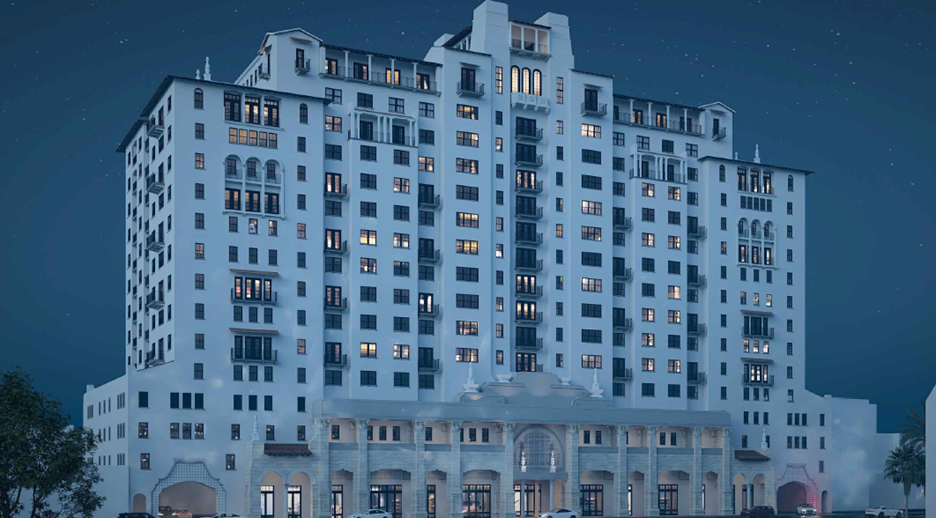
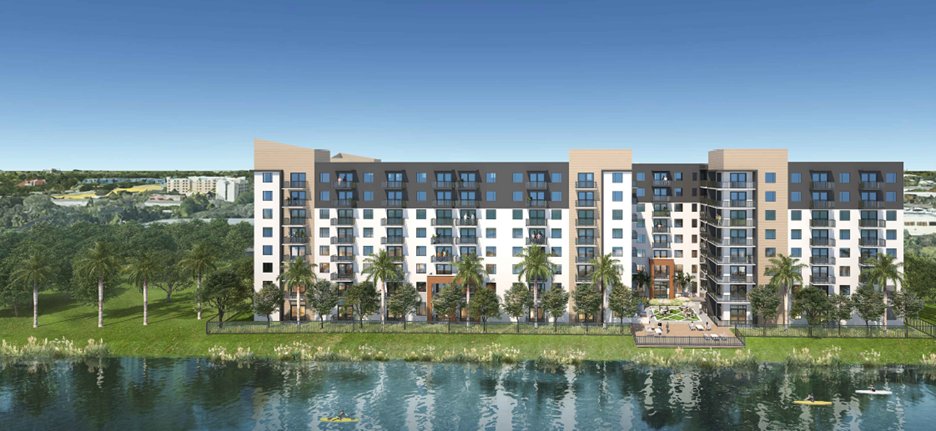
| Coral GablesNew 16-story Mixed-Use Project Submitted to Coral Gables Development Review Committee Pursuant to State’s Live Local Legislation Incentivizing Workforce Housing |
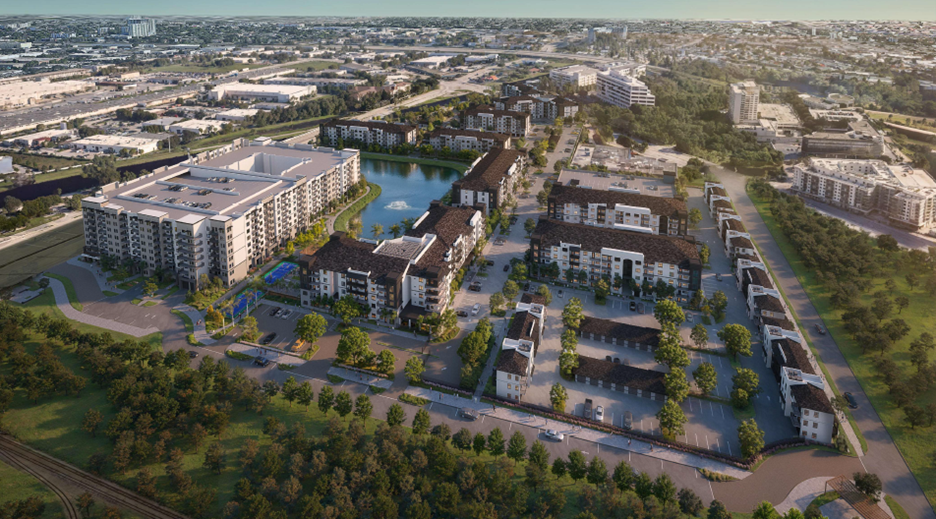
| Fort LauderdaleFort Lauderdale City Commission Approves Massive Residential Development of Nearly 1K Units on Former Mobile Home Park The 15 building development will bring new multifamily and townhomes into the Uptown Urban Village |
| HollywoodLarge Multi-Family Project of 280 Units at Oakwood Plaza Approved by Hollywood Planning & Development BoardNext to Regal Cinema, Dave & Busters and Home Depot |
| Welcome to Urbanize Miami: A New Voice for South Florida Development |
| Florida Legislature Approves Amendments to Landmark Housing Bill Hoping to Incentivize Affordable & Workforce Housing Across the State |
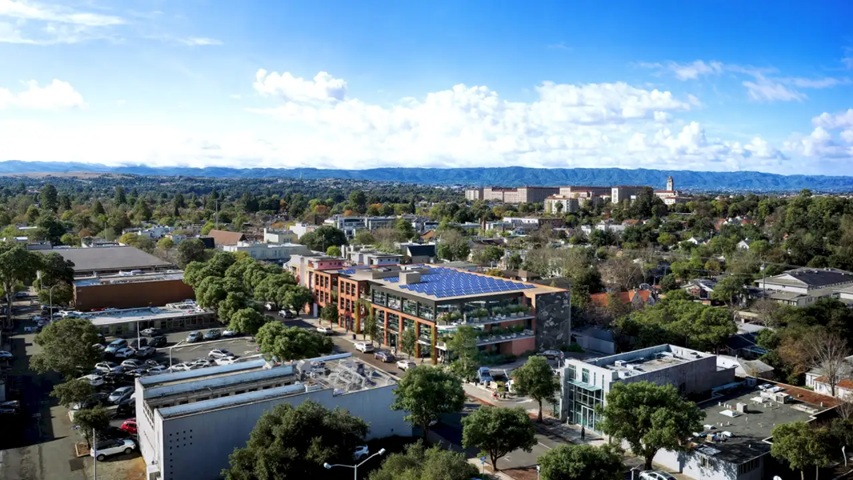
| Palo Alto36,000sf 388 Cambridge development debuts in Palo AltoThe mixed-use project from Presidio Bay Ventures includes offices and retail |
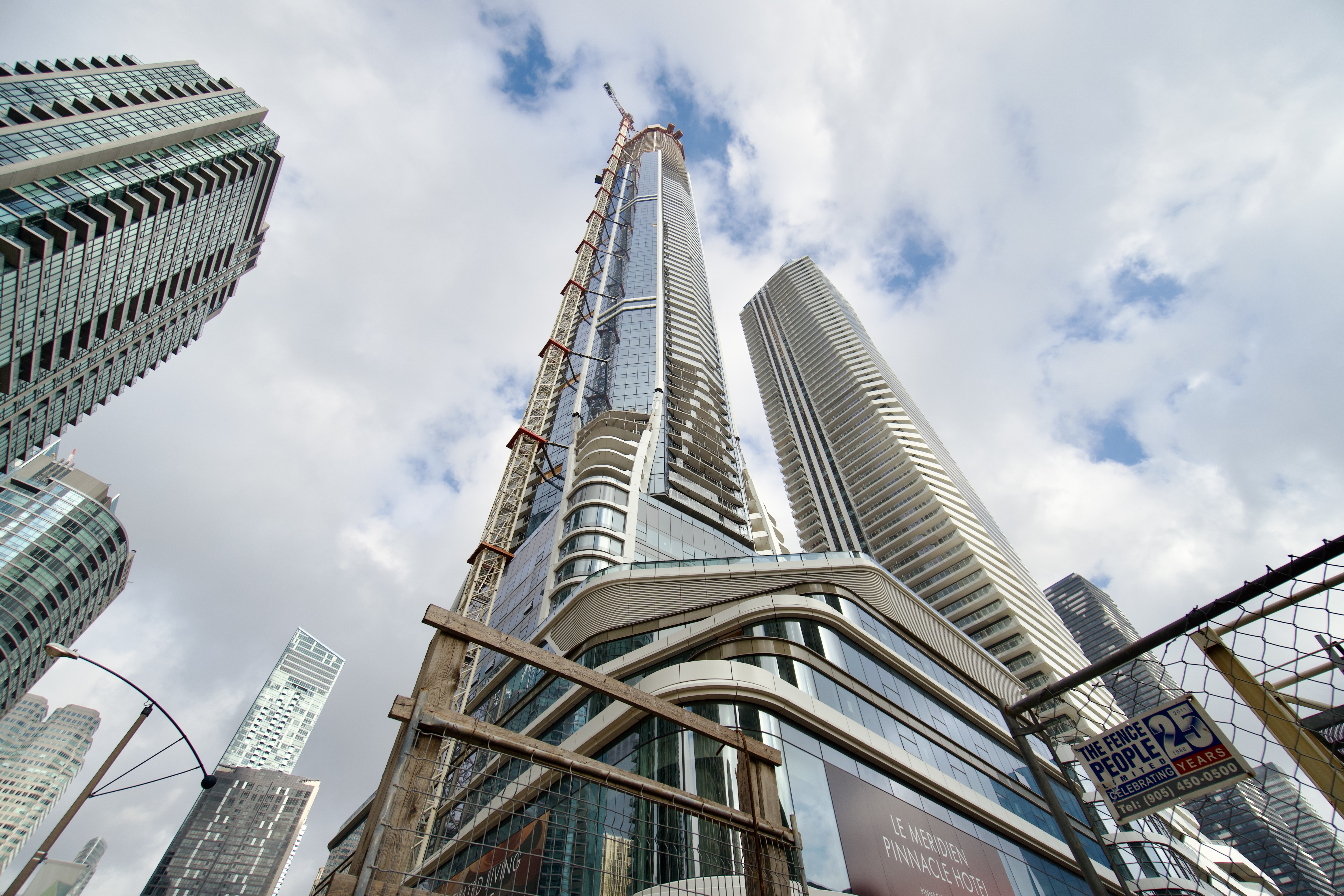
| Waterfront Communities - The IslandSkyTower reaches record-breaking 100-storey milestoneThe 352-metre supertall skyscraper will top out at 106-storeys, becoming the tallest building in Canada. |