Your City. Your Market. Your Next Deal.Stay up to date on national urban real estate |
|
📅 Today's Story: Once a mere boundary for cars and drainage, street curbs are quickly becoming key urban assets. Cities like New York and Seattle are redesigning this contested space to better serve deliveries, bikes, pedestrians, and public life.
URBAN DESIGN
Thanks to More Deliveries, Cities Are Rethinking Curbs |
|
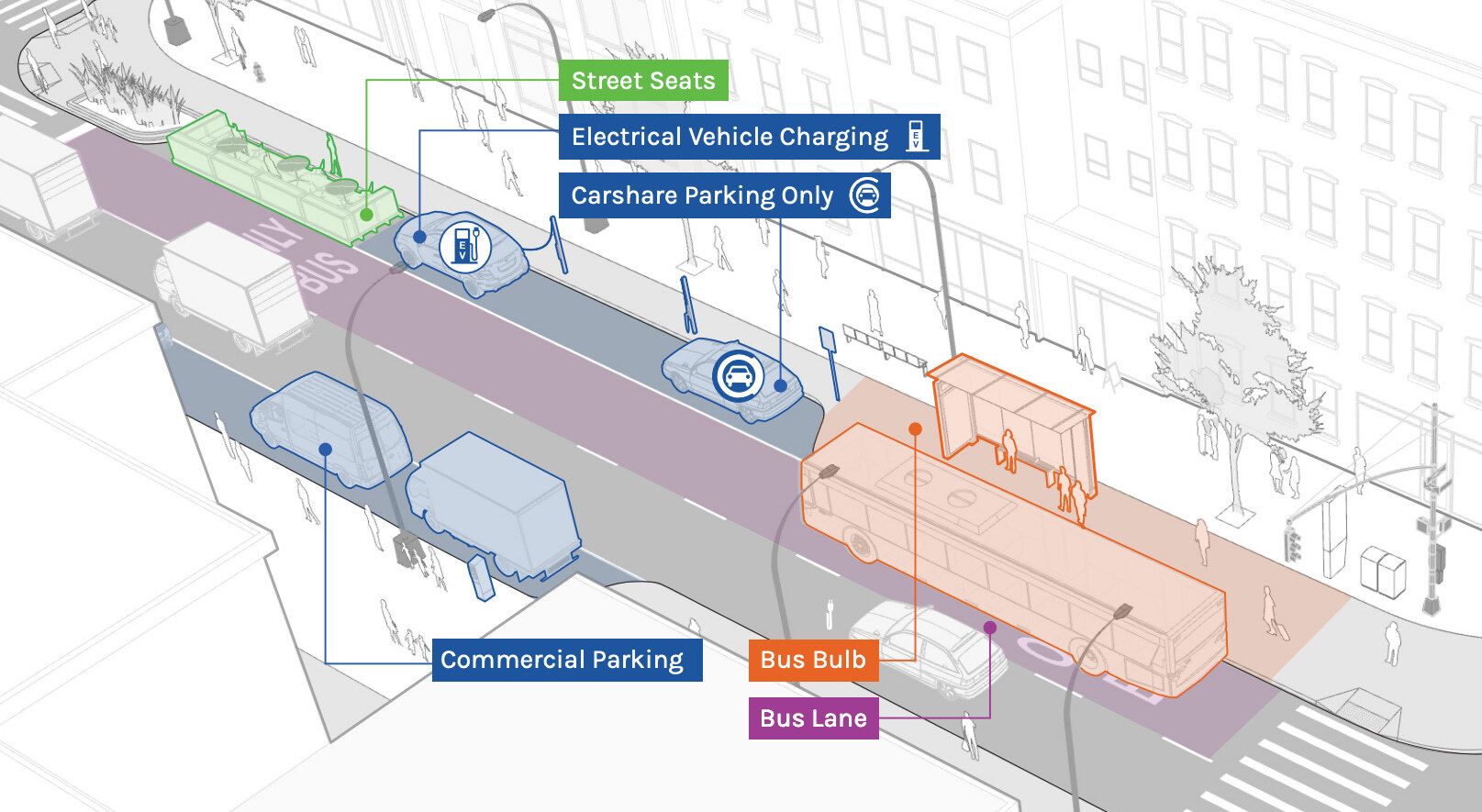
Source: NYC Curb Management Action Plan
📰 What Happened: Once dominated by parked cars, curbs are now overloaded by deliveries, transit, and dining. In NYC, 2.4M packages arrive daily, straining outdated streets. Cities are deploying new policies and pilot projects—like microhubs and off-hour delivery incentives—to make curbs more efficient and equitable for all users.
🔍 A Closer Look: From Berkeley to Manhattan, curbs are the new frontlines of urban mobility. Programs like NYC’s Smart Curb Pilot and Philadelphia’s dynamic pricing trials are using design, tech, and regulation to tackle congestion and reclaim curb space. Microhubs enable cleaner, last-mile delivery, while enforcement curbs double-parking and traffic slowdowns.
🧠 Why It Matters: Urban curbs are no longer passive zones but crucial public infrastructure that supports sustainability, accessibility, and economic activity. Rethinking curb use aligns with broader urban goals, making streets more adaptable and inclusive for pedestrians, cyclists, businesses, and beyond.
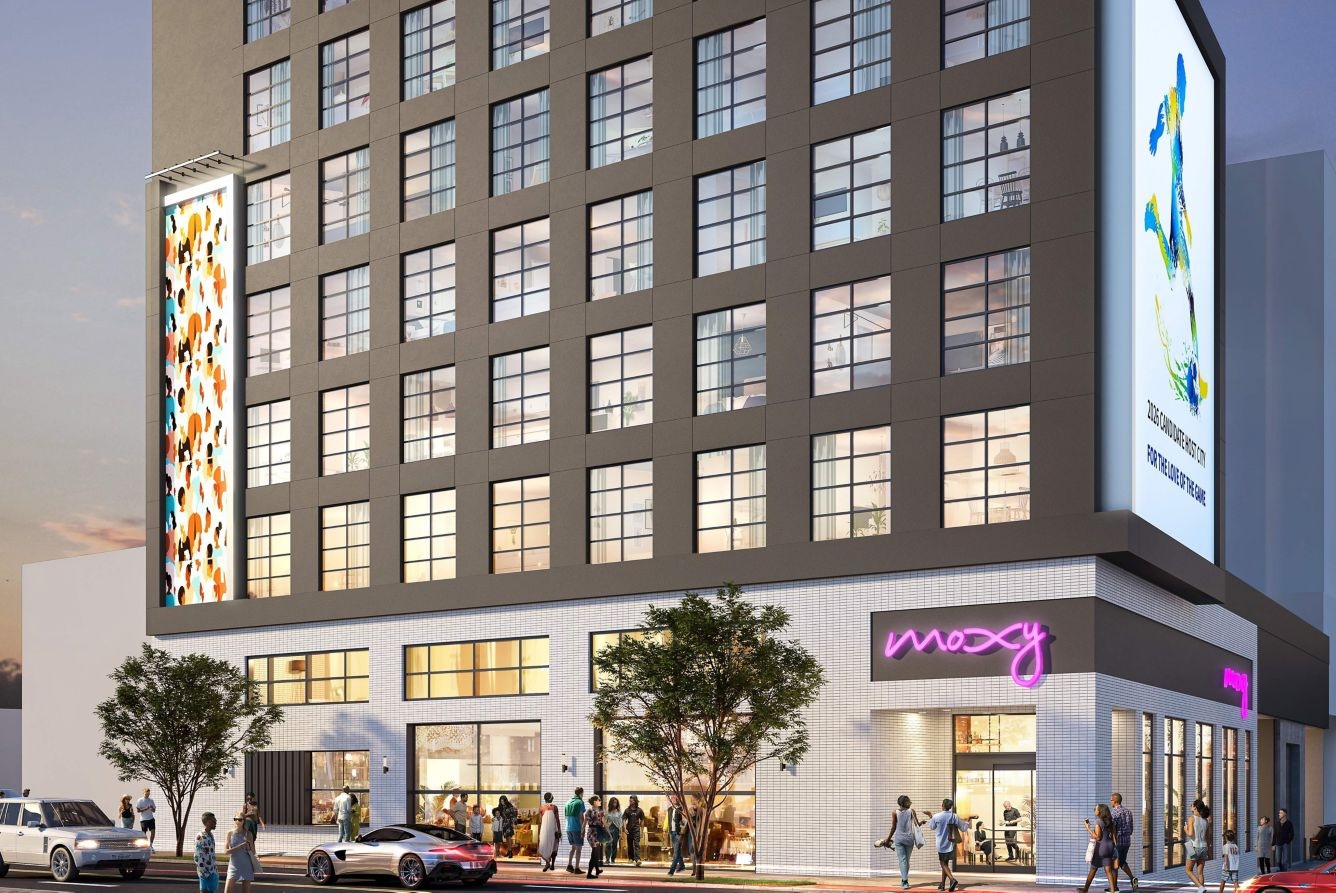
| DowntownDowntown's next hotel readies for pre-FIFA World Cup debut Marriott concept Moxy Atlanta Downtown installs management, finishes “bold design” |
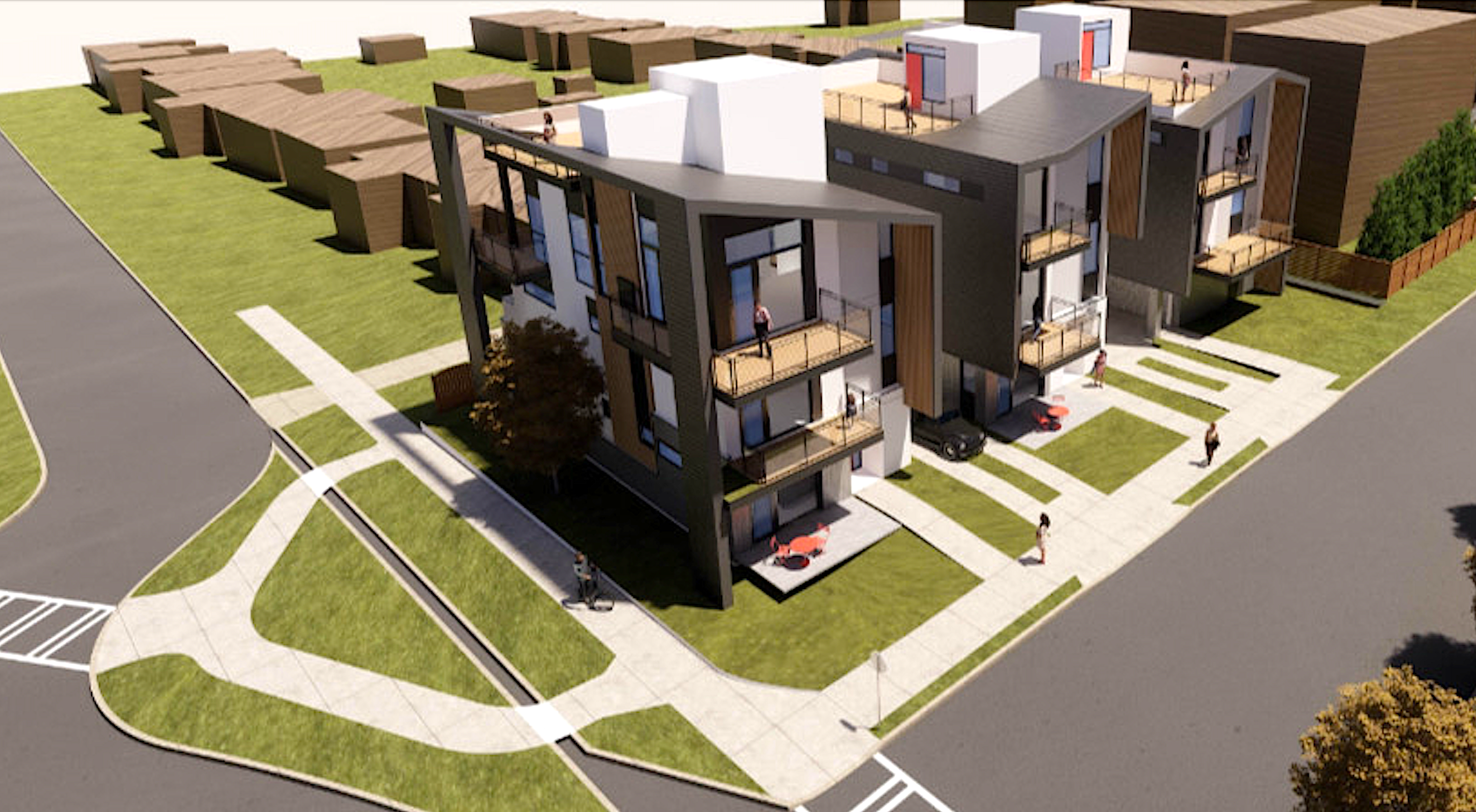
| Old Fourth WardFresh renderings: Big changes in store for Old Fourth Ward cornerDesigns, pricing outlook revealed for property near Historic Fourth Ward Park, Ponce City Market |
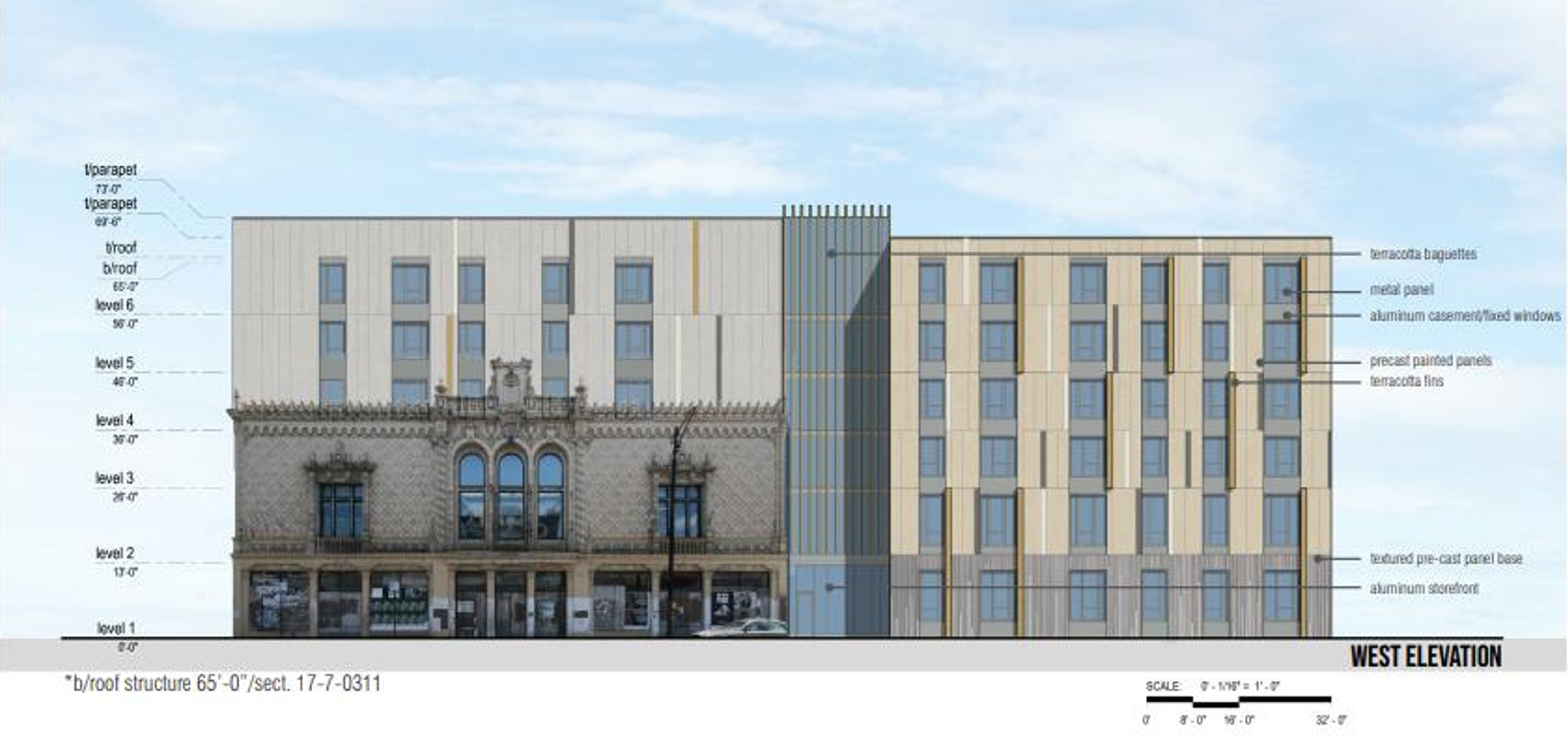
| Humboldt ParkCity Council approves $13 million in TIF for development at 1539 N. PulaskiThe project will convert the Pioneer Arcade into senior apartments with an addition |
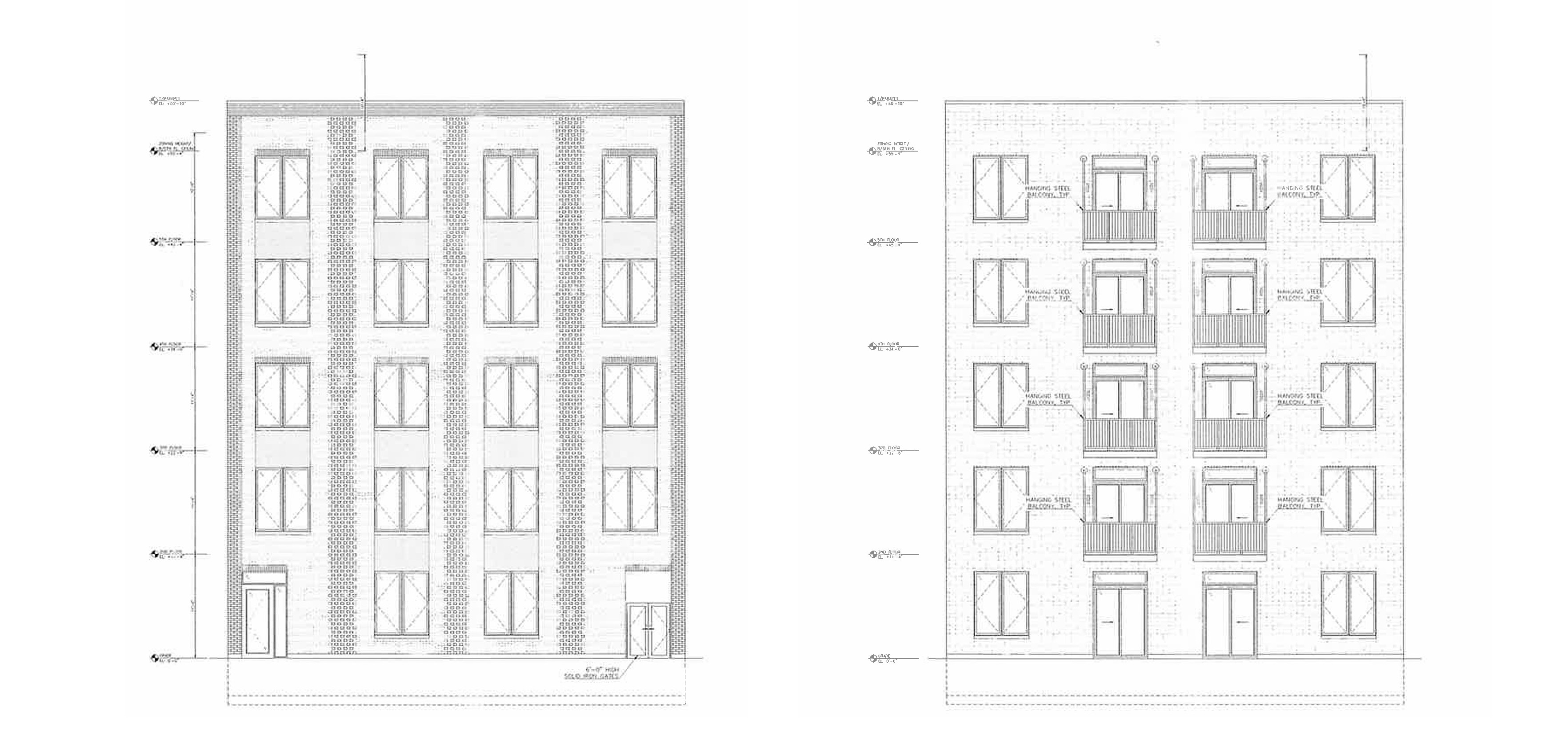
| Old TownCity Council approves development at 1453 N. SedgwickThe five-story building will have 27 units and no parking |
| Century CityCentury City Center enters the home stretch at 1950 S. Ave. of the StarsThe 37-story office tower will be anchored by CAA's new headquarters |
| SylmarCity Planning Commission signs off eldercare apartments at 13916 Polk Street in SylmarThe City of Los Angeles recently lost a court case over the project |
| Lincoln HeightsAffordable housing breaks ground at 216 S. Avenue 24 in Lincoln HeightsPlans call for a six-story building with 48 apartments |
| South Lake UnionWith HQ renewal, 400 Fairview remains fully leased in South Lake UnionImpinj signs long-term lease which expands its footprint |