Your City. Your Market. Your Next Deal.Stay up to date on national urban real estate |
|
📅 Today's Story: Denver’s minimum parking requirements were dropped in August, and could boost the city’s annual housing production by 12.5%, according University of Denver research.
POLICY
New Parking Rules Could Unlock 12.5% More Denver Housing |
|
📰 What Happened: A new study modeled 75 development scenarios using city data and found that even with some voluntary parking included (e.g., 0.5 spaces per unit near light rail), Denver could see 460 more housing units per year. The city officially removed its parking minimums in August, following a trend in Colorado.
🔍 A Closer Look: Researchers found that parking mandates historically restrict housing output by limiting buildable area while raising costs. Removing these hurdles benefits smaller-scale and multifamily developments, unlocking more projects. Land previously reserved for parking could also be used for sidewalks, green space, or other public amenities.
🧠 Why It Matters: In tight housing markets like Denver, eliminating parking mandates is a simple yet effective way to increase housing supply without relying on taxpayer subsidies. The new policy aligns with improved walkability and transit goals, particularly in areas with light rail access.
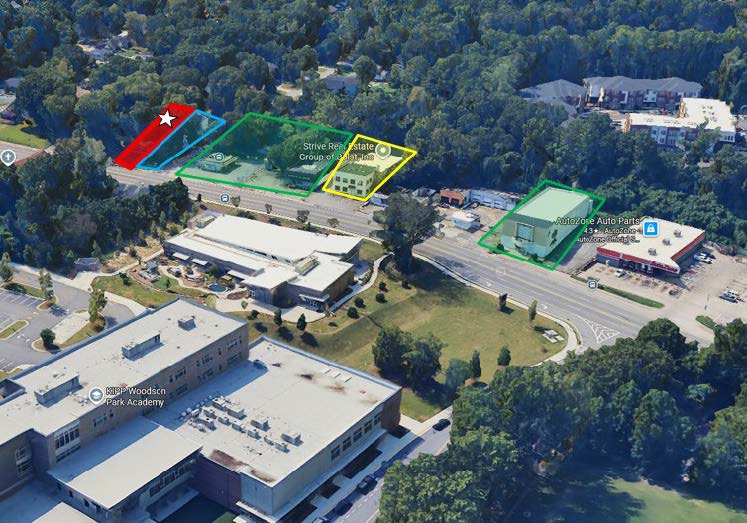
| Grove ParkQuest for revived, vibrant downtown Grove Park scores boost Grant Park Foundation to acquire two more properties along main thoroughfare, near Atlanta’s largest park |
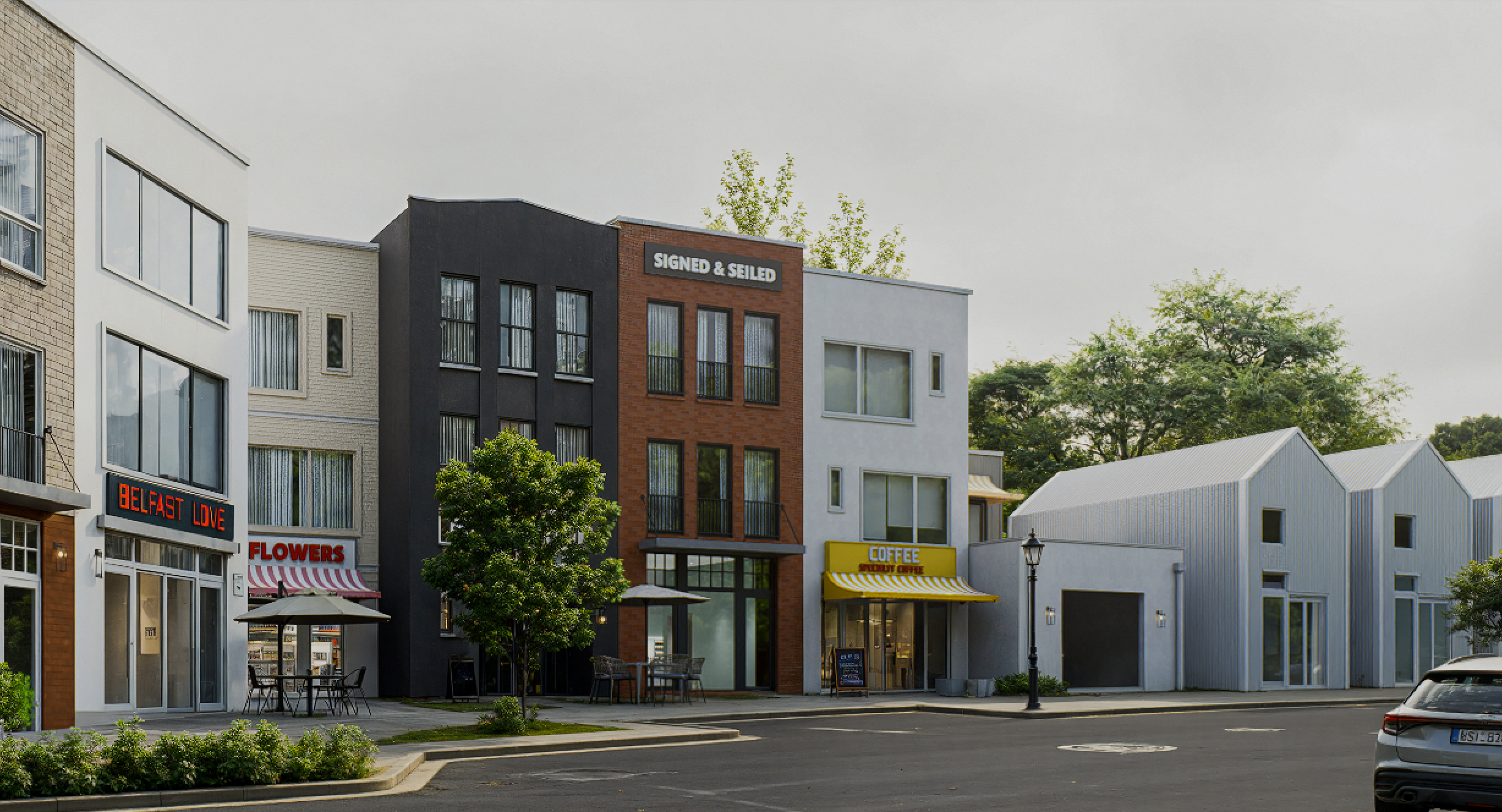
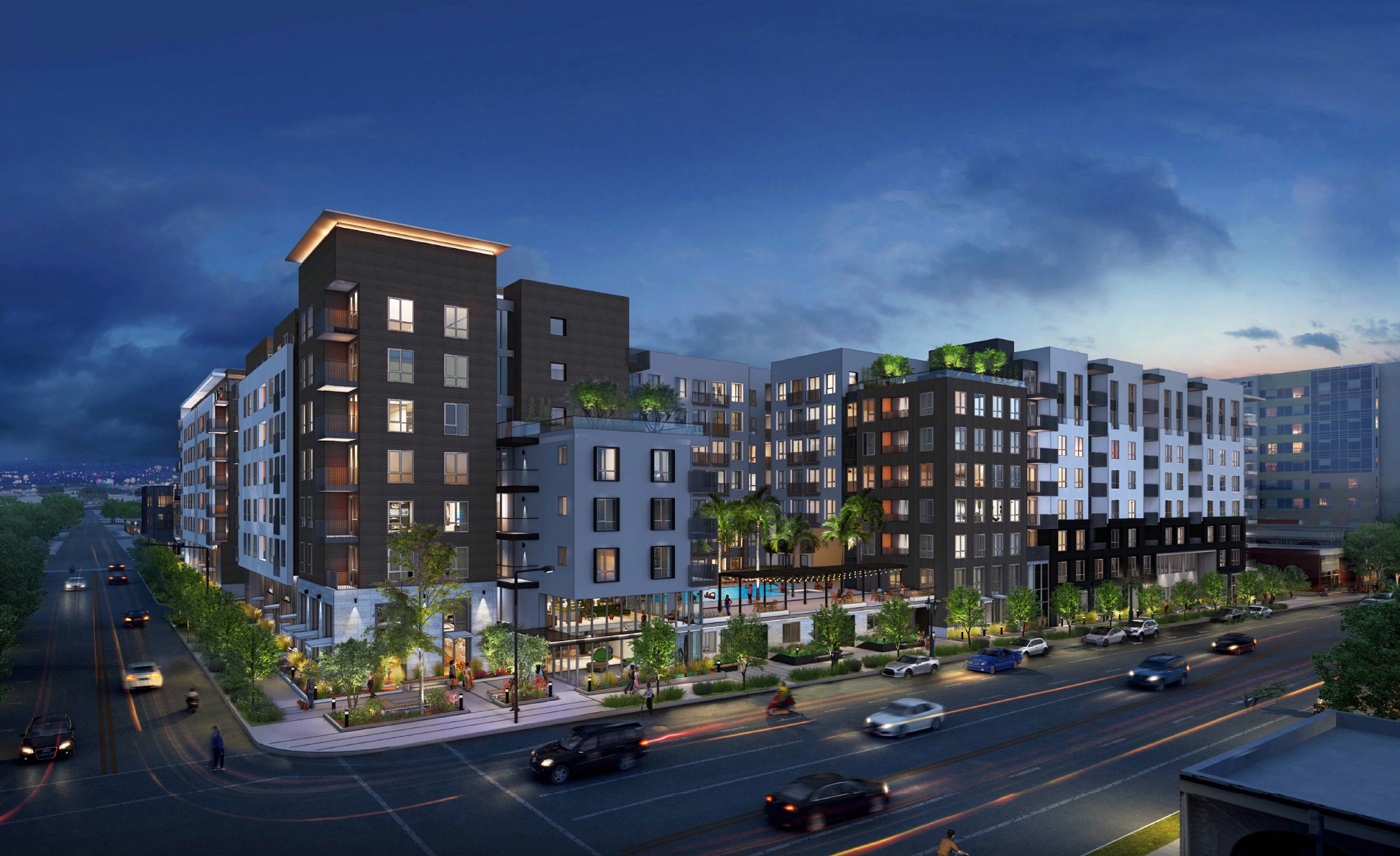
| Chosewood ParkFirst look: 15-building ‘Downtown’ set to break ground off BeltlineChosewood Park project to bring Main Street functionality to doorstep of Boulevard Crossing Park site, says developer |
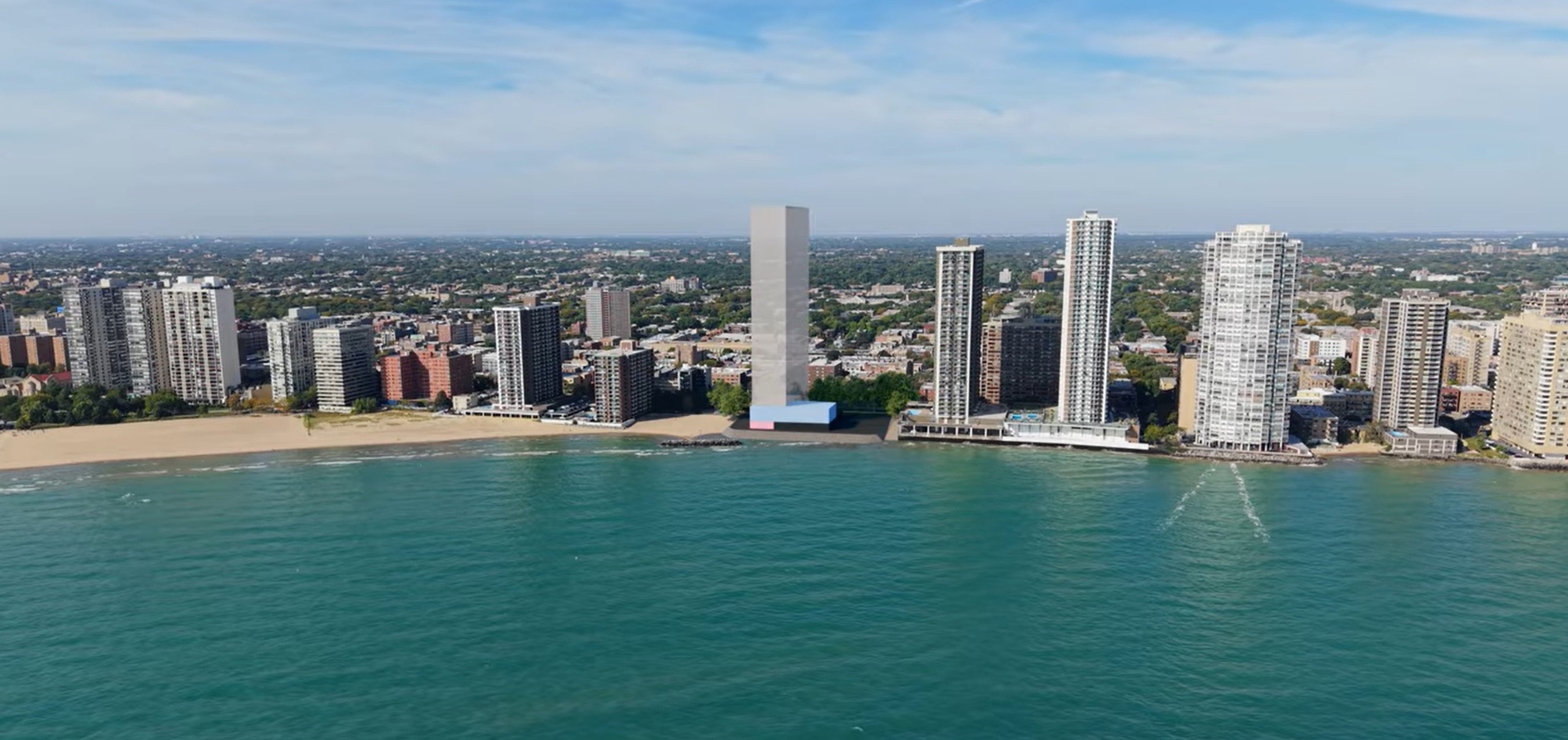
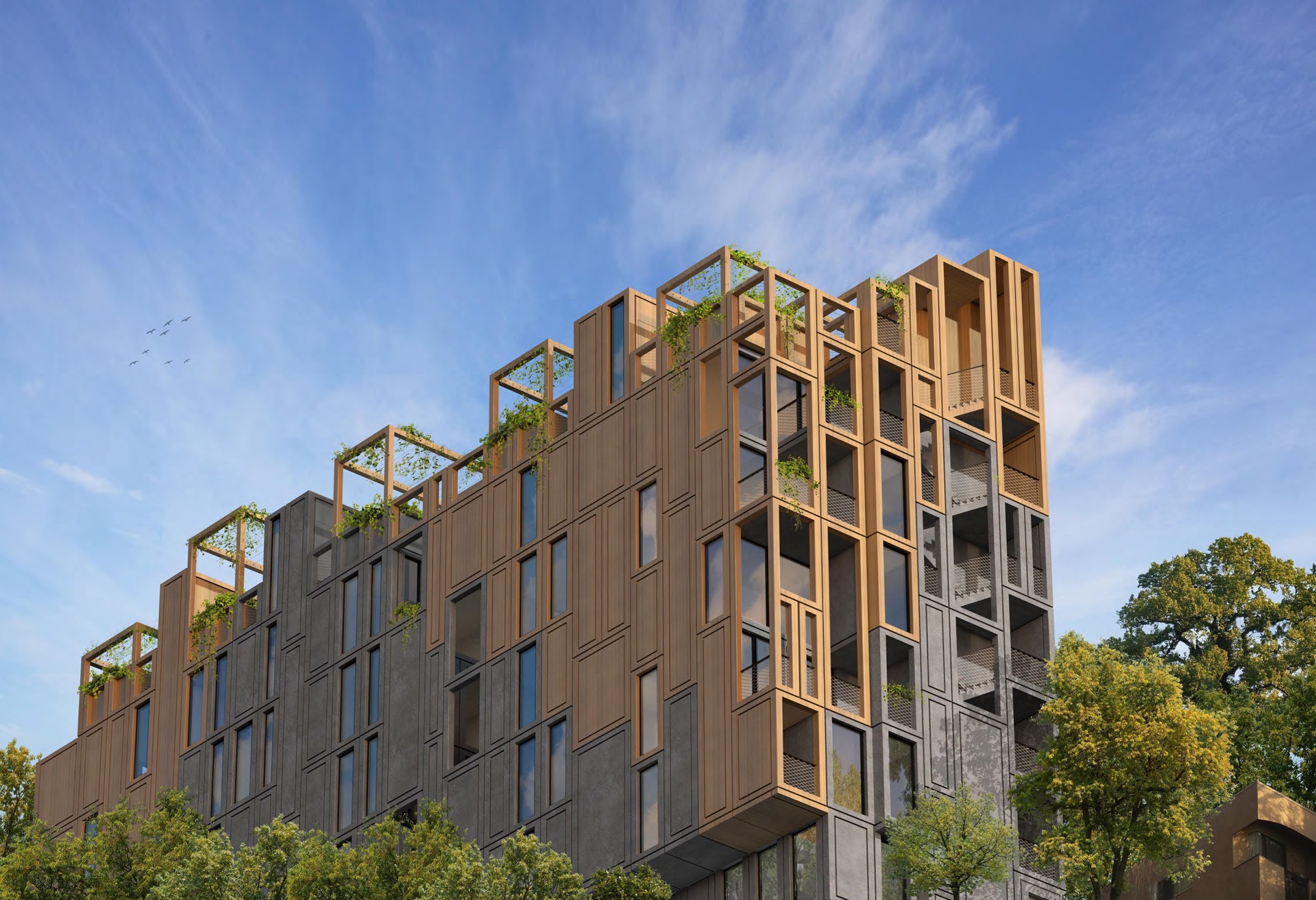
| EdgewaterResidential development proposed at Emanuel Congregation at 5959 N. SheridanThe residential project would also build a new synagogue |
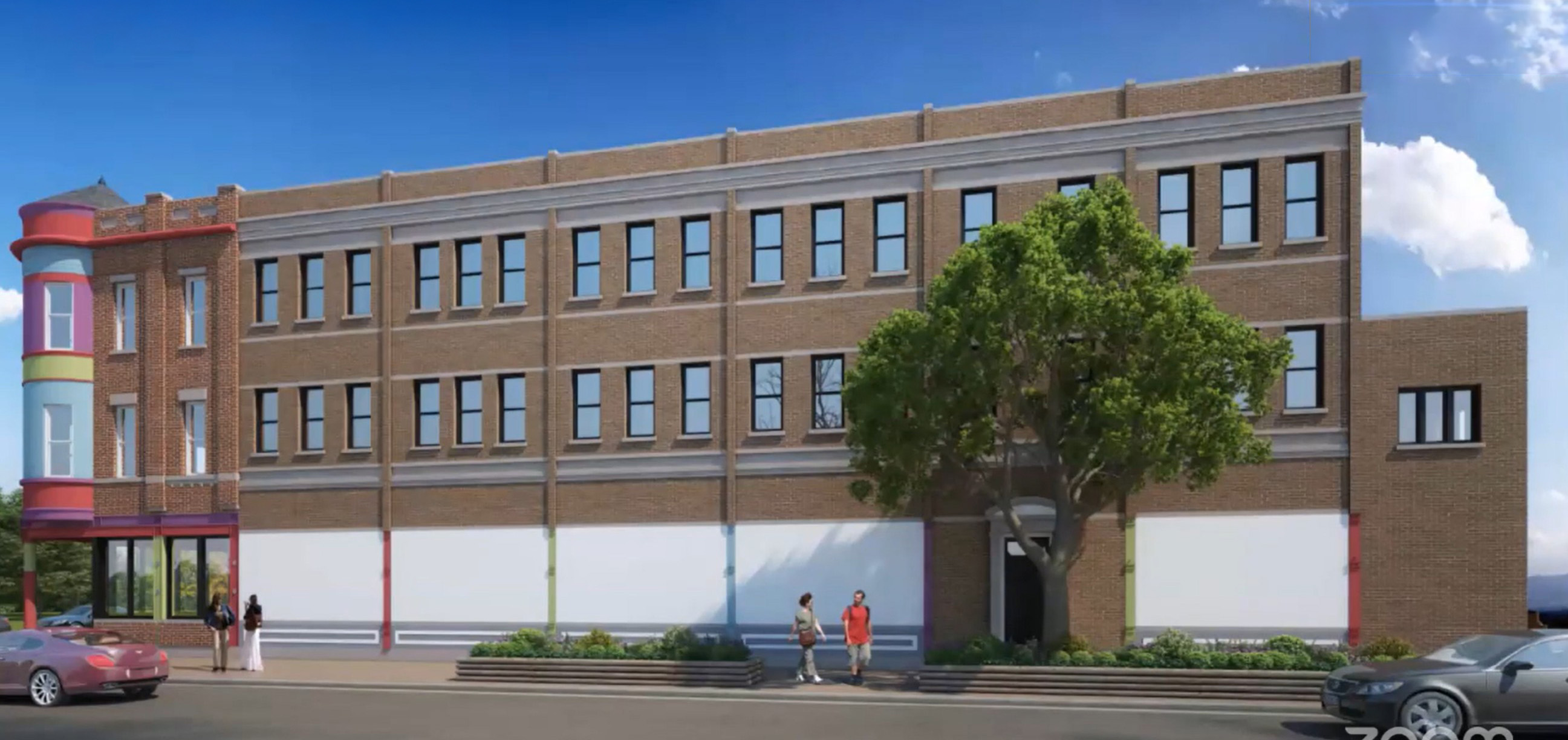
| Lincoln ParkCity Council approves development at 458 W. DickensTwo floors of residential units will be added on top of the grocery store |
| GlendaleGlendale City Council rejects Sears redevelopment at 236 N. Central Ave.It's the first AB 130 project reviewed by Glendale City Council |
| West HollywoodApartments pitched for 948 N. Hayworth Ave. in West HollywoodPlans call for a six-story, 12-unit development |
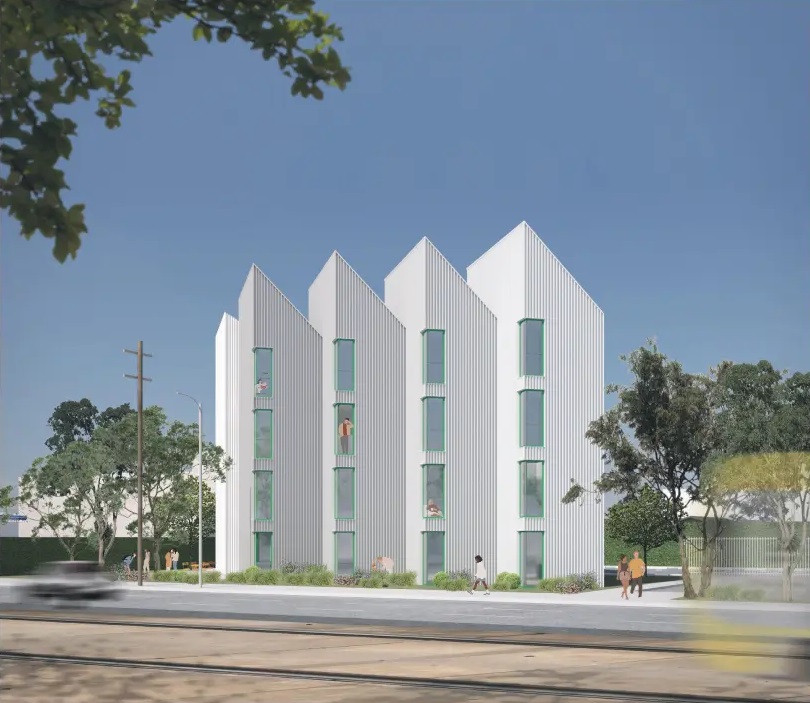
| Exposition ParkInterim housing full-framed at 1020 W. Exposition Blvd.LOHA-designed project takes shape near the Lucas Museum |
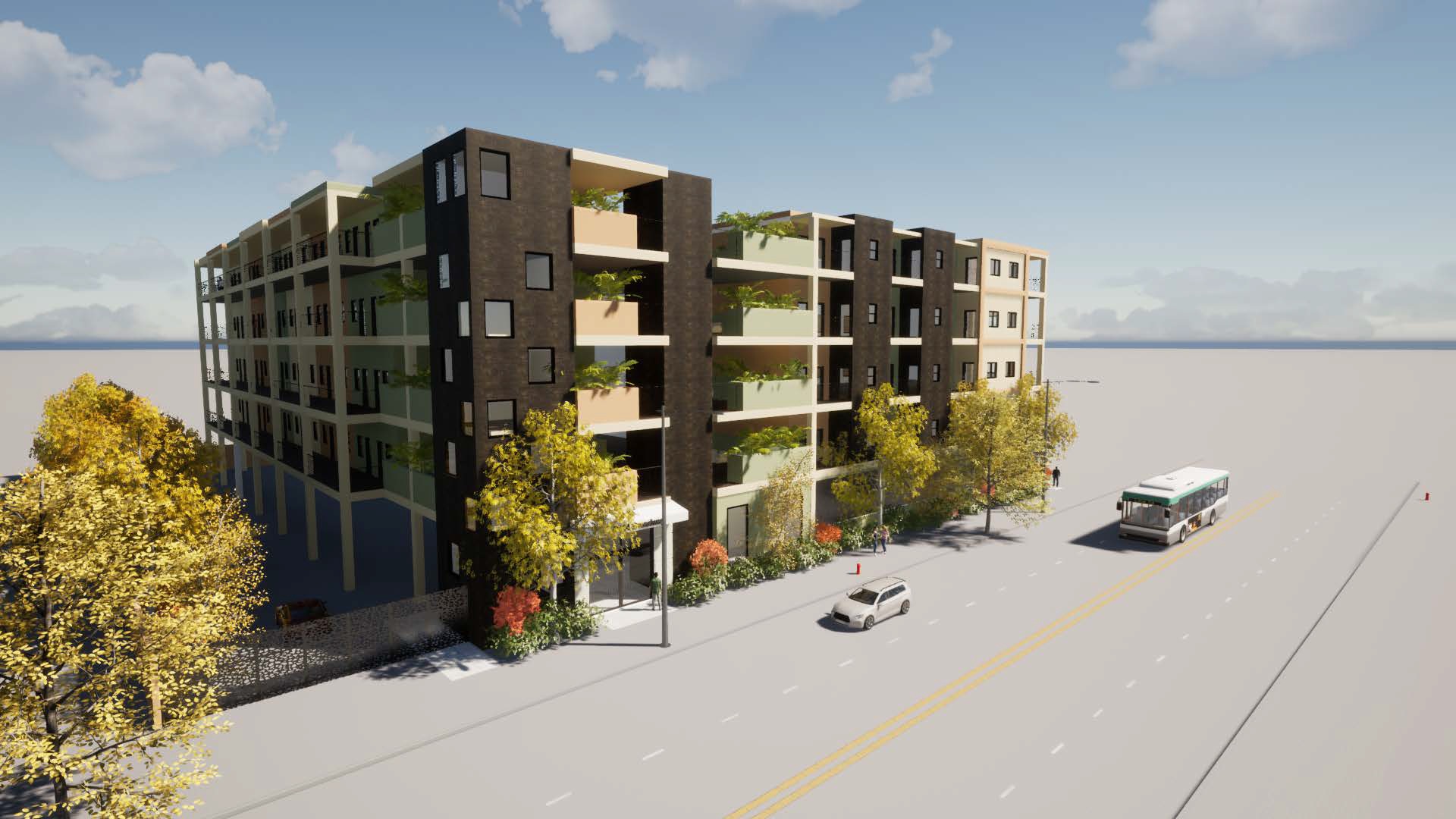
| West Whittier-Los NietosRenderings revealed for proposed apartments at 7914 Broadway Ave. in West WhittierPlans call for a five-story building with 60 residential units |