Your City. Your Market. Your Next Deal.Stay up to date on national urban real estate |
|
📅 Today's Story: A new AAA study revealed that despite improvements, Pedestrian Automatic Emergency Braking (PAEB) systems still fail to detect walkers 40% of the time in nighttime conditions, even under ideal scenarios.
TECHNOLOGY
Automatic Emergency Brakes Fail 4 Out of 10 Times After Dark |
|
📰 What Happened: Testing at 25 mph, AAA researchers found that even modern Pedestrian Automatic Emergency Braking (PAEB) systems had serious shortcomings. Required on all new passenger cars by 2029, PAEB systems failed 40% of the time at identifying pedestrians in low light. The high-visibility gear worn by construction workers and first responders even confused some systems in the dark.
🔍 A Closer Look: Some models, like the Toyota Camry, outperformed at the test. However, even the best performers couldn’t detect dummies consistently after hours with automatic systems. The findings suggest that PAEB testing standards, which rarely simulate real-world night conditions, aren’t pushing automakers to address these deadly blind spots in a practical way.
🧠 Why It Matters: With over 7,000 pedestrians killed in 2023 (77% at night), the ongoing pedestrian death crisis demands more than the tech equivalent of band-aids. Researchers are urging regulators to strengthen automatic testing protocols and encouraging cities to adopt safer road design and infrastructure, rather than relying too much on future automations.
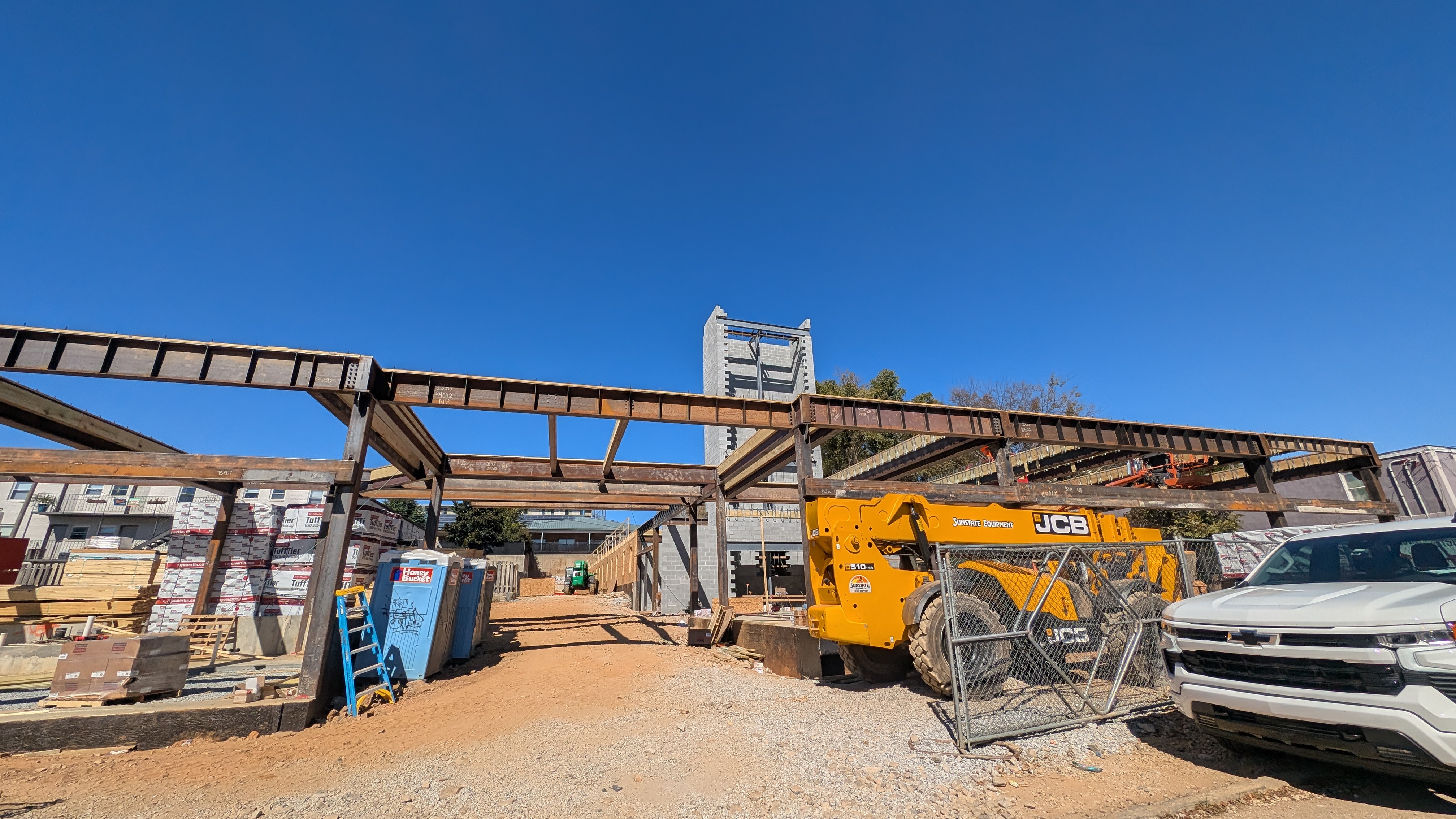
| Old Fourth WardNear Eastside Trail, mix of commercial space, affordable housing risesHenderson Place project replaces dated 1950s apartments near Old Fourth Ward’s Beltline stretch |
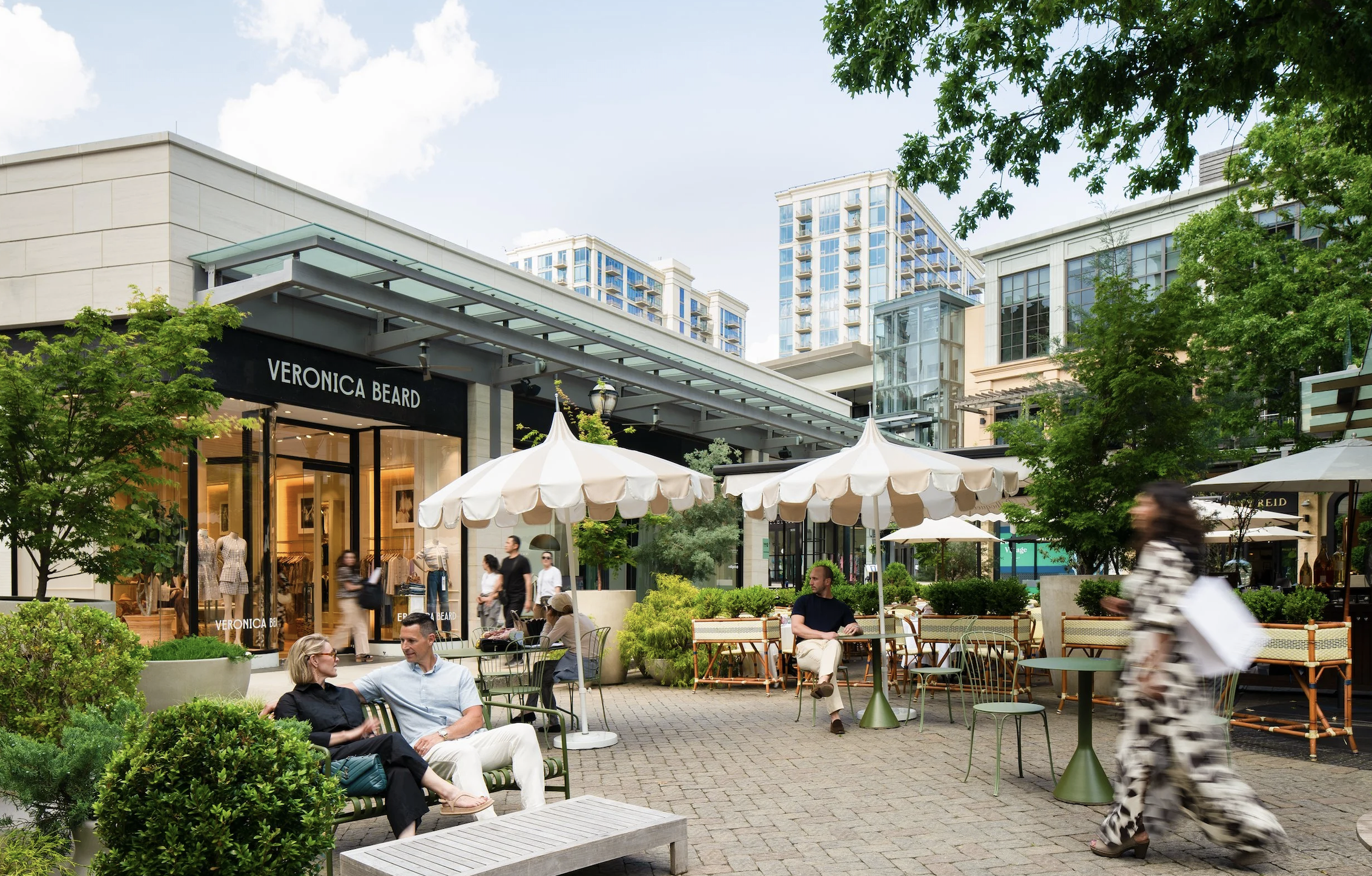
| Refreshing MARTA Breeze; ATL's first 'walkable Lidl;' Buckhead Village Real estate, architecture, and urban planning news from around Atlanta |
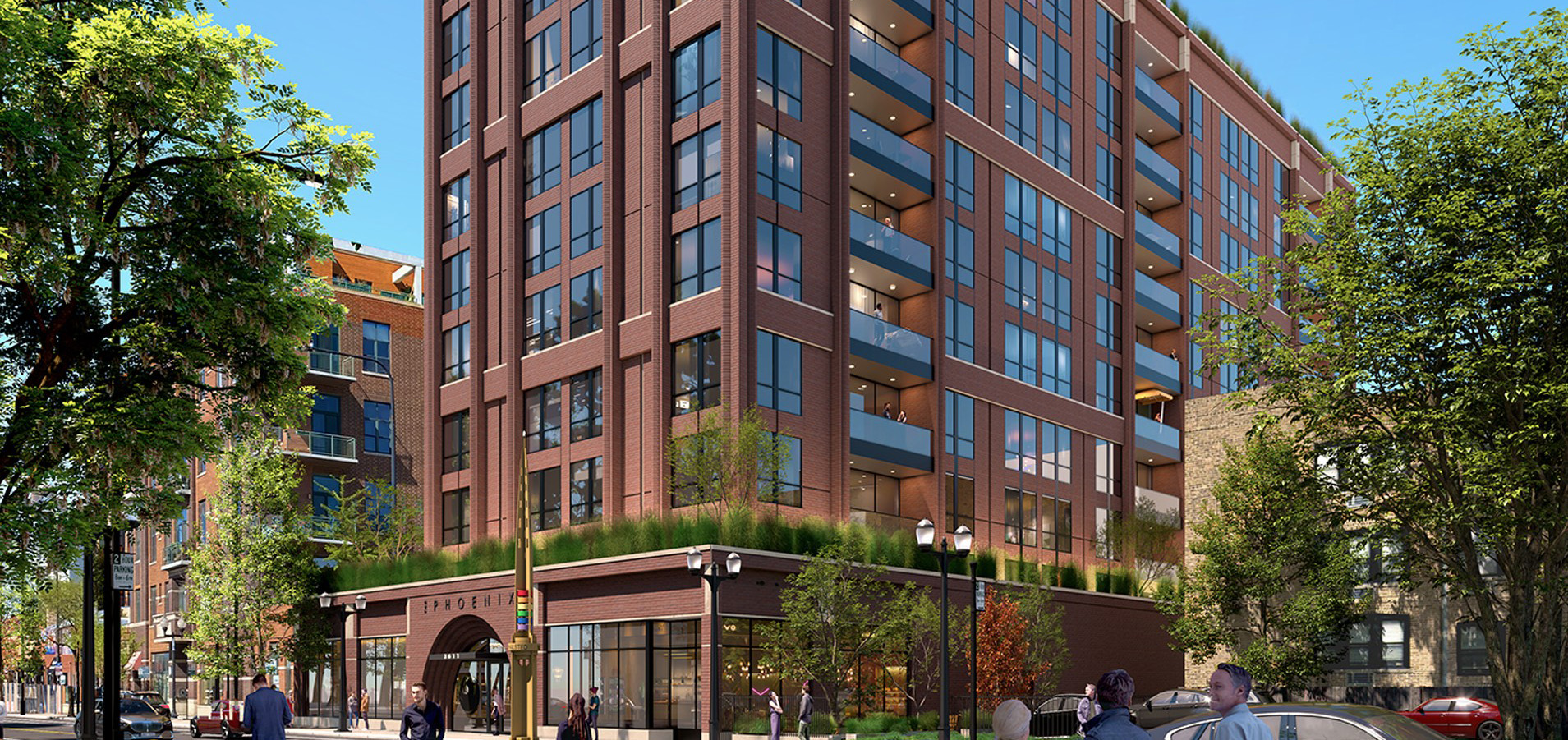
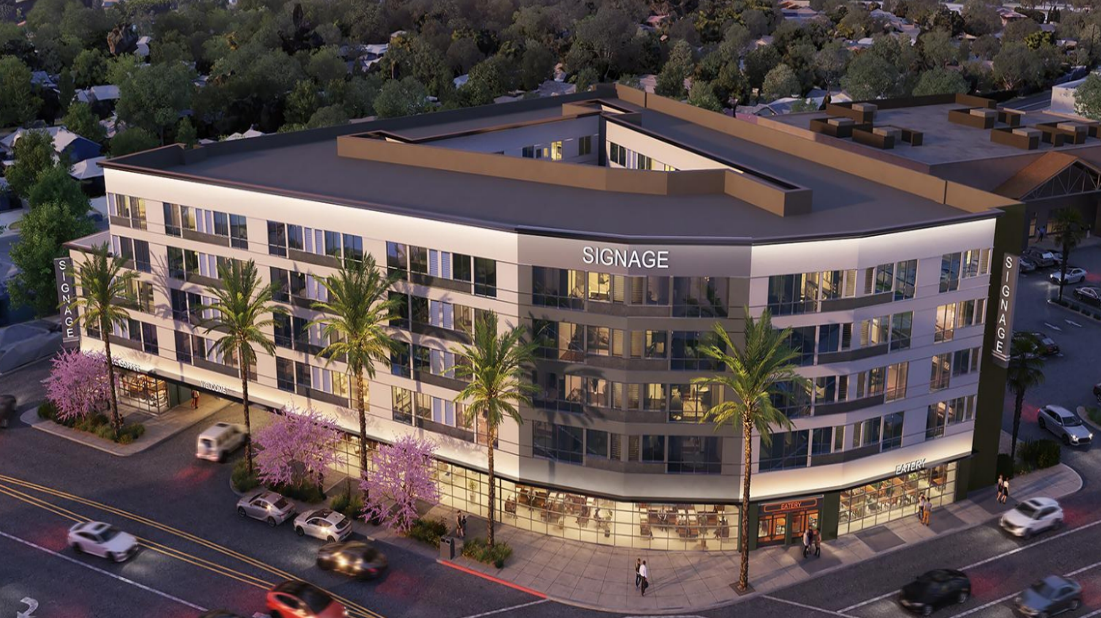
| LakeviewMixed-use development proposed at 3611 N. HalstedThe 12-story building would have 188 apartments and a cafe |
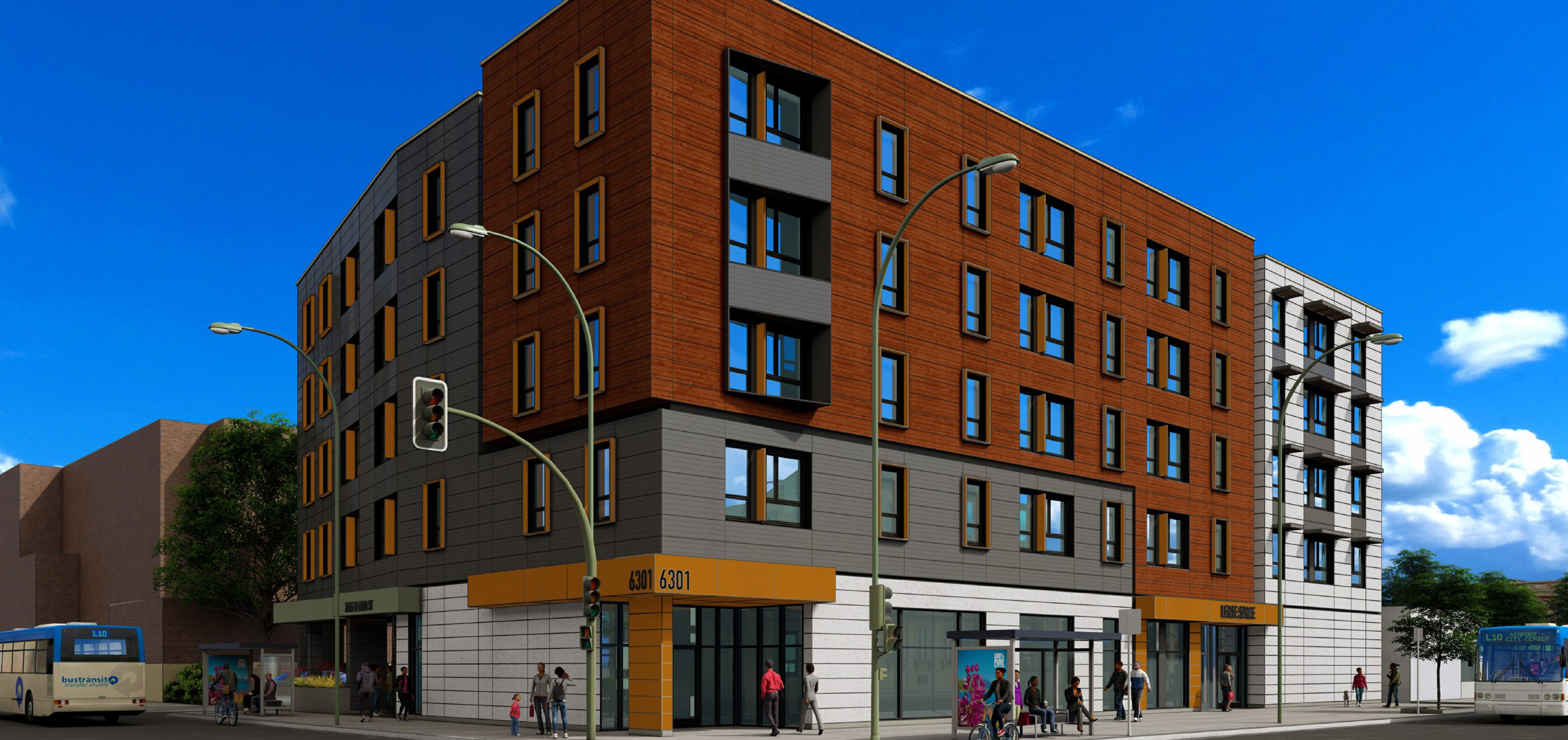
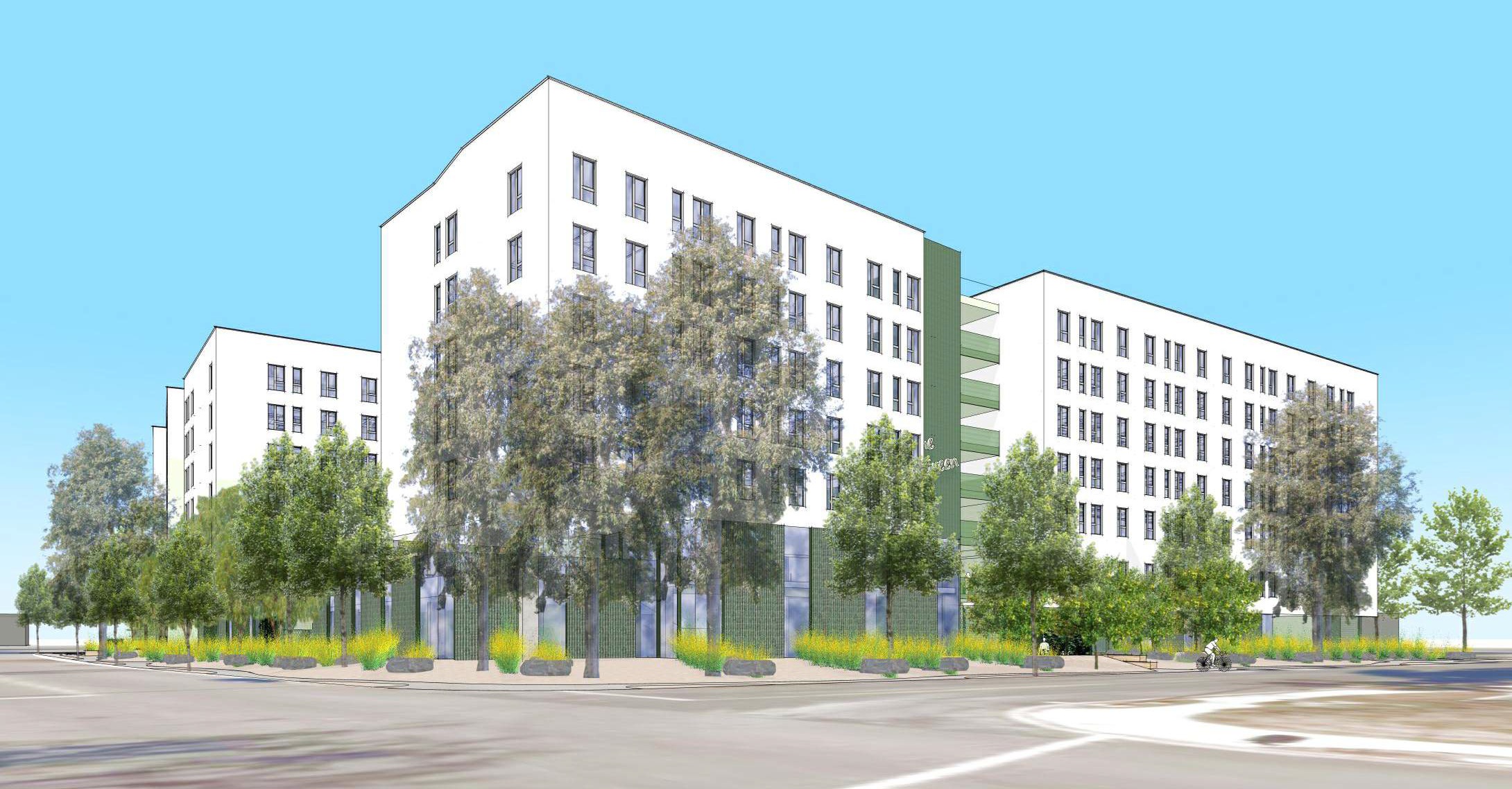
| Chicago LawnFull building permit issued for mixed-use affordable development at 6301 S. WesternAll of the 44 residential units will be affordable |
| Culver CityNew plan emerges for hotel at 11469 Jefferson Blvd. in Culver CityPlans now call for 147 guest rooms in lieu of a strip mall |
| Woodland HillsBig affordable housing complex planned at 21155 W. Califa St. in Warner CenterElysian Housing proposes 316 residential units for low- and moderate-income renters |
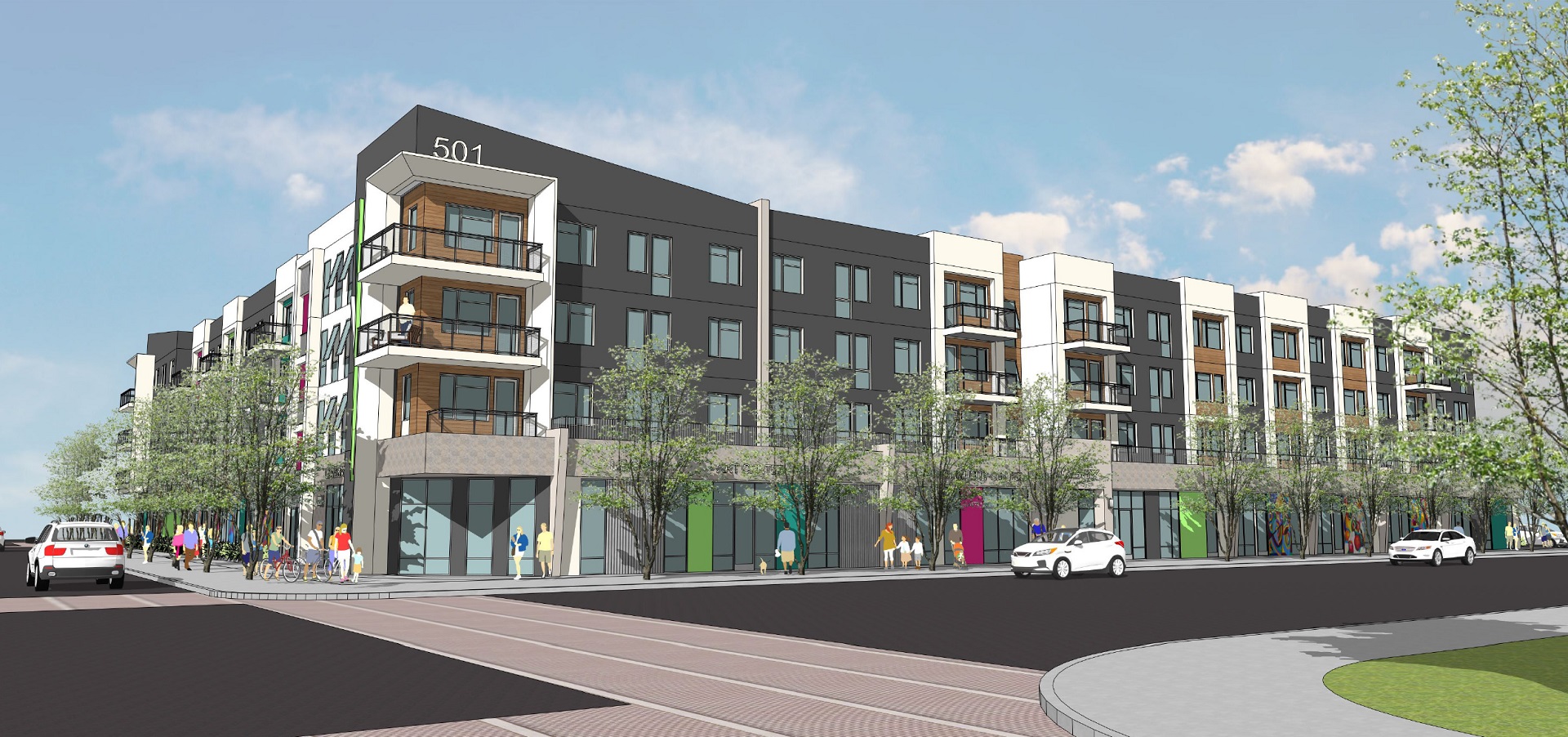
| PomonaConstruction begins for affordable housing at 501 E. Mission Blvd. in PomonaPlans call for 75 apartments |
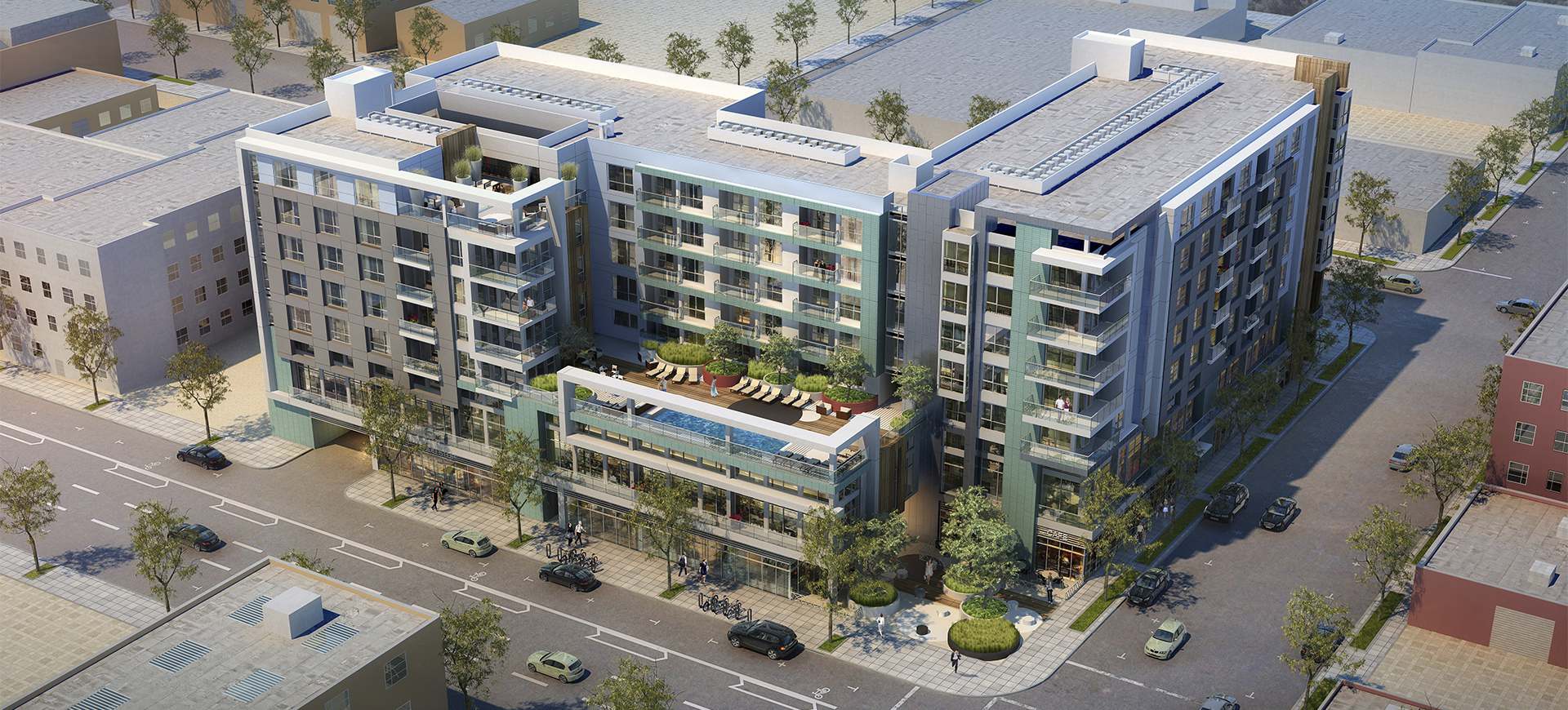
| DowntownDTLA's Emerald development sells to HACLAThe 154-unit building will be converted into housing for renters earning between 30 and 120 percent of AMI |
| DownsviewMichael Van Valkenburgh Associates selected as winner of YZD Runway RoadmapThe pedestrian-first public space will serve as the connective spine linking YZD’s seven new neighbourhoods. |