Your City. Your Market. Your Next Deal.Stay up to date on national urban real estate |
|
📅 Today's Story: Paolo Soleri’s experimental “arcology” in the Arizona desert never grew beyond a few dozen residents. But its principles of bounded density, elegant frugality, and passive design continue to influence modern approaches to desert urbanism.
URBAN DESIGN
Lessons in Desert Urbanism From a 1970s Arizona Town |
|
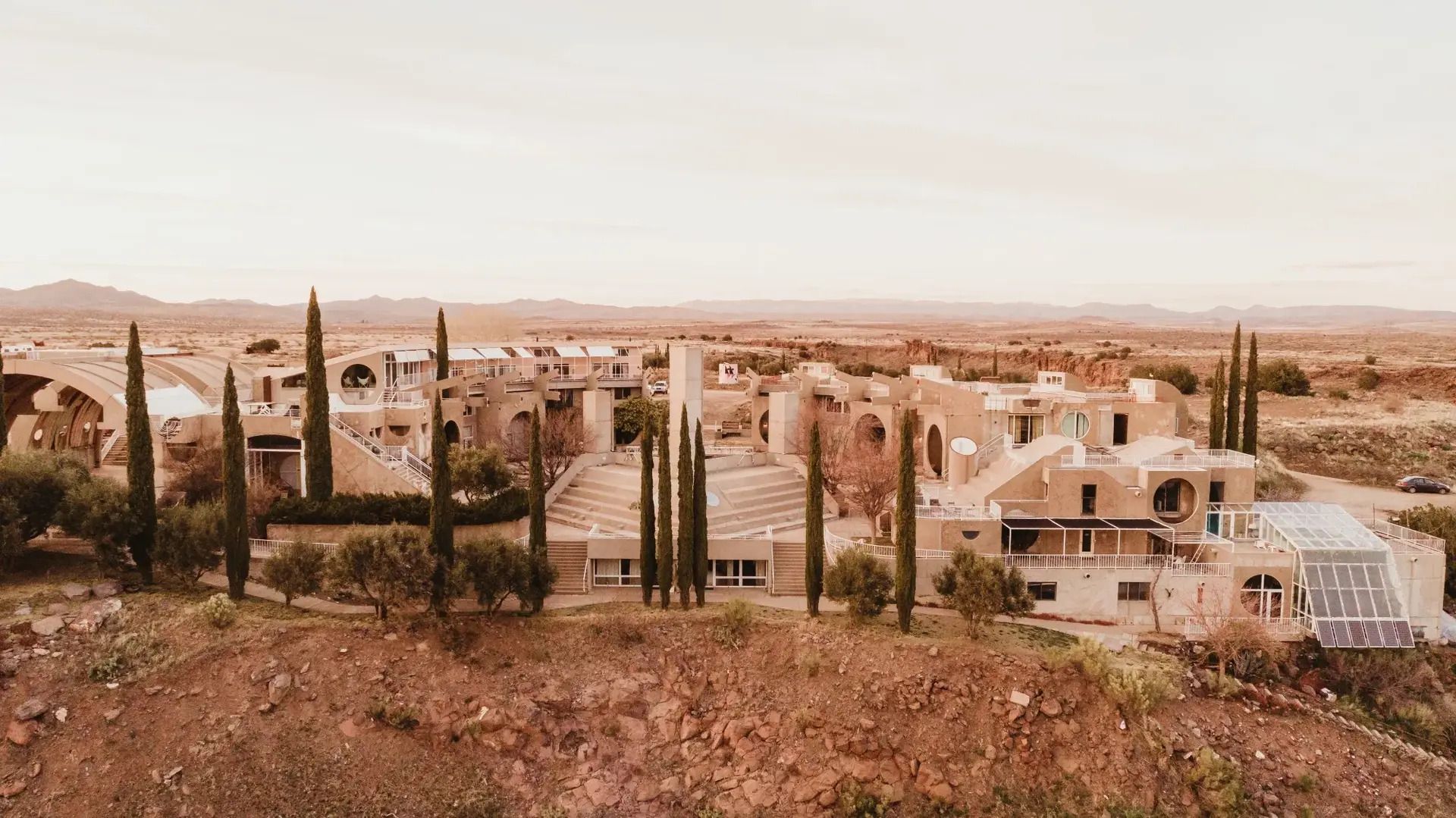
Arosanti, AZ, as seen today (Source: Jessica Jameson)
📰 What Happened: Designed in the 1970s to house 5,000 people, Arcosanti currently shelters fewer than 40. Yet the desert community still operates on its core ideals of compactness, sustainability, and integrated food, water, and energy. Soleri’s ecological insights persist today at Masdar City in Abu Dhabi, The Line in Saudi Arabia, and Culdesac Tempe in Arizona.
🔍 A Closer Look: Arcosanti’s hand-cast concrete vaults, passive solar design, and integration with the Sonoran Desert landscape exemplify architecture that grows from, rather than imposes on, its environment. Residents grow food, craft ceramics, and live communally. While often critiqued for stagnation, Arcosanti still serves as a living lab for sustainable desert living—especially relevant with intensifying heat.
🧠 Why It Matters: With desert cities booming and climate adaptation central to urban planning, Arcosanti’s short history offers enduring lessons for resilient desert living. Though the tiny town’s social ambitions remain unfulfilled, the built environment resonates—showing that not all visionary design needs scale to be meaningful.
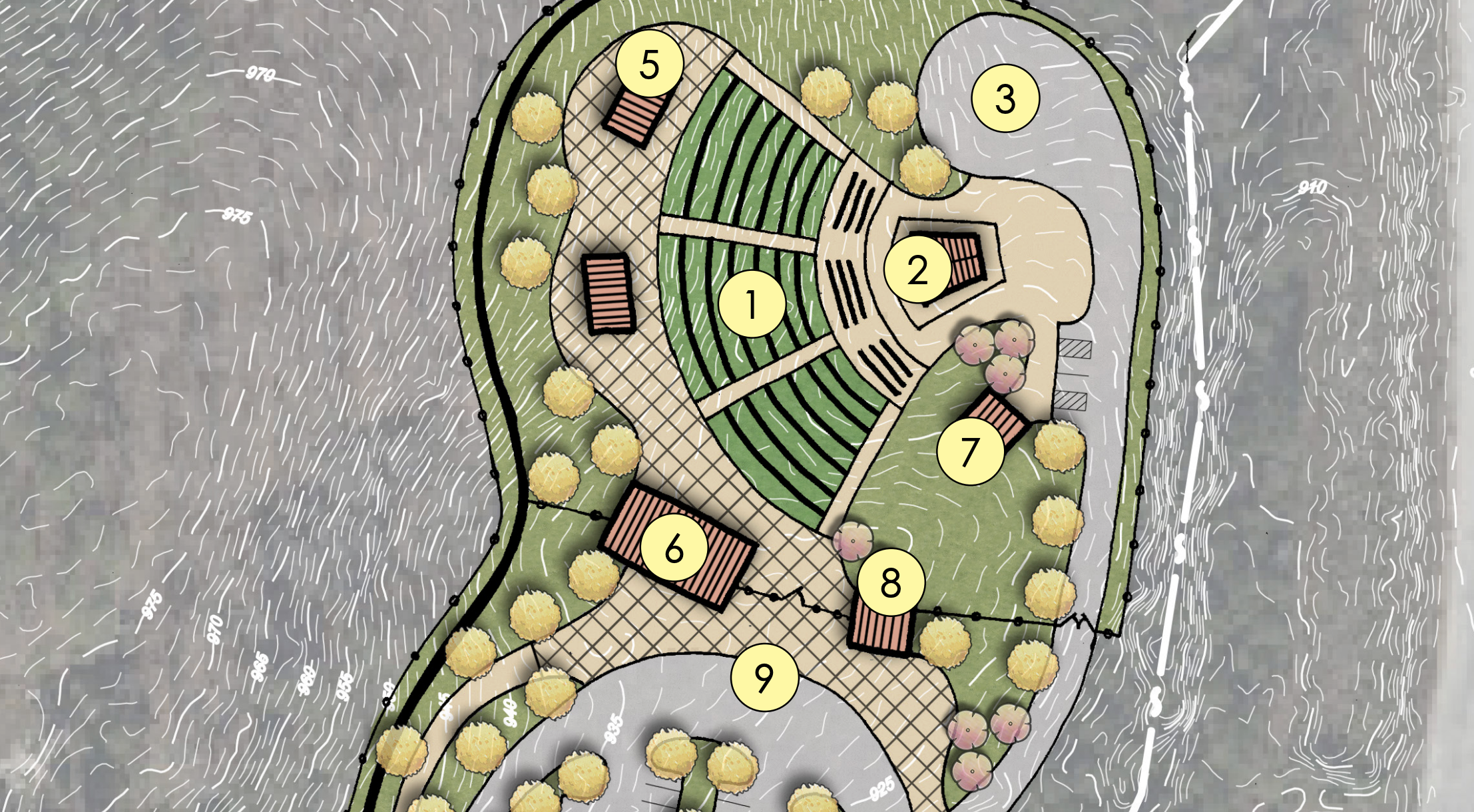
| OTPAmphitheater, park move forward across from dead mall site Union City placemaking initiative with no parking shortage marks first phase of Reimagine Park Project |
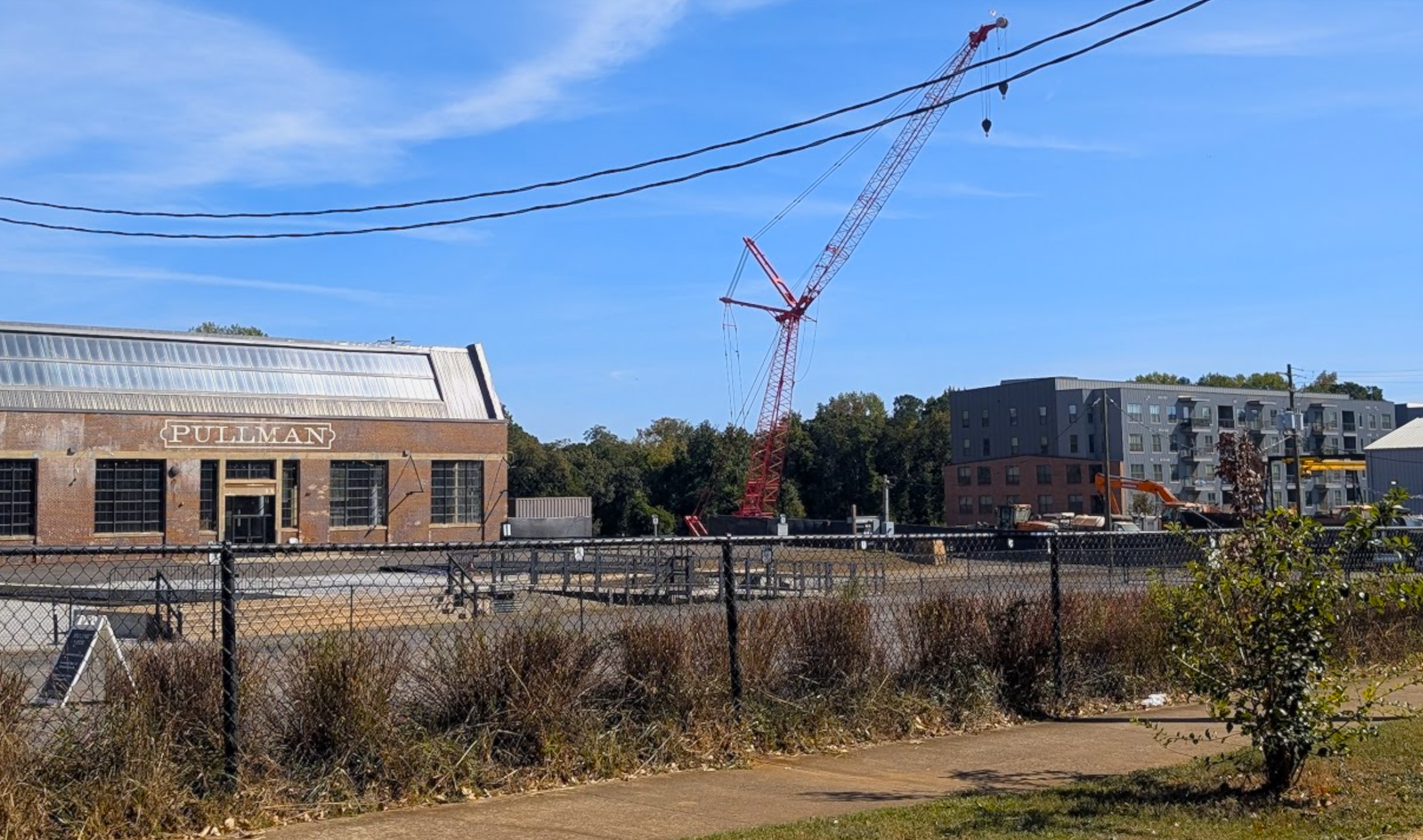
| KirkwoodAt Pullman Yards, relatively discreet parking garage project underwayAddition to post-industrial Kirkwood district calls for four stories of parking, roughly 400 spaces |
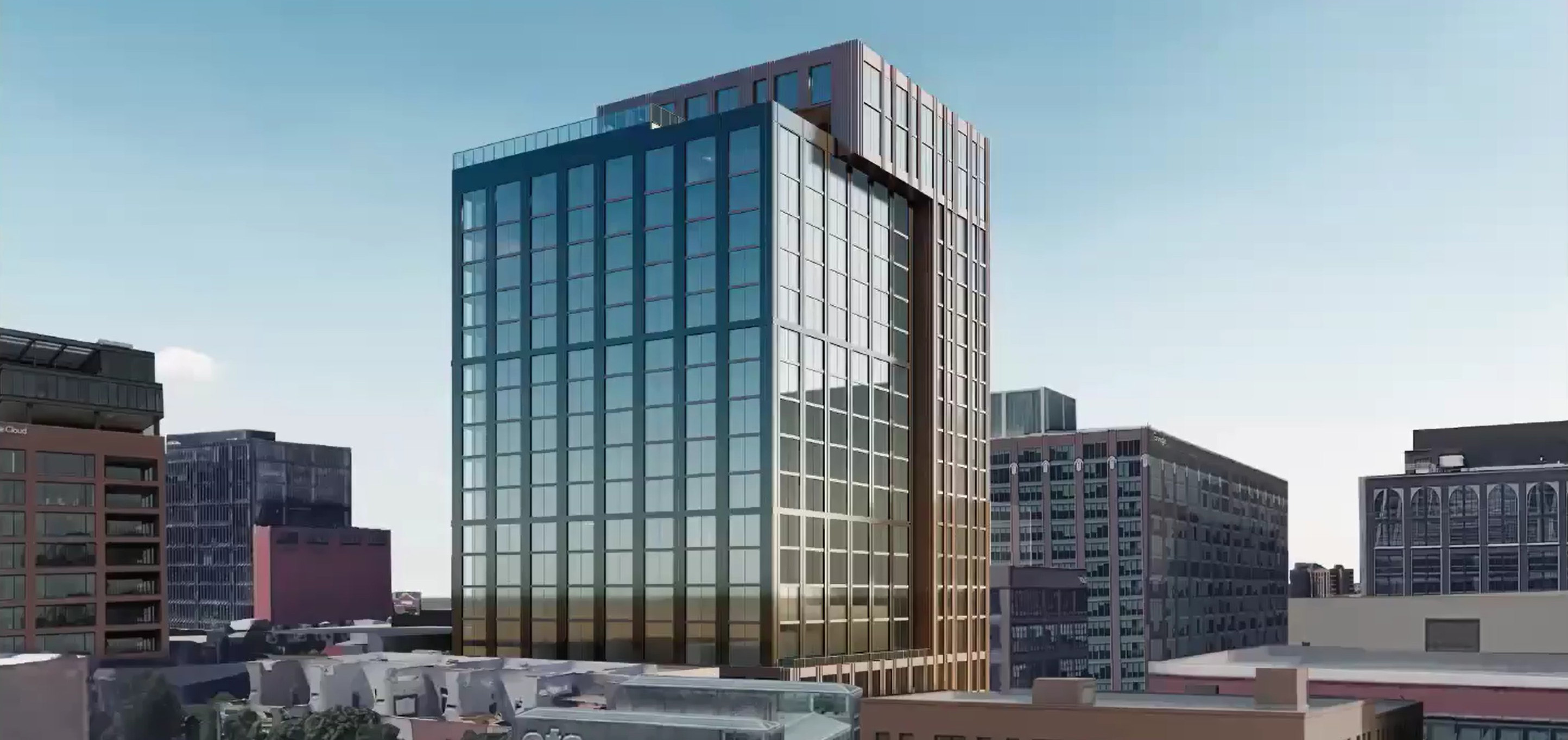
| Fulton MarketDevelopers present plan for 214 N. Morgan to communityThe revised scheme would stand 18 stories with 268 units |
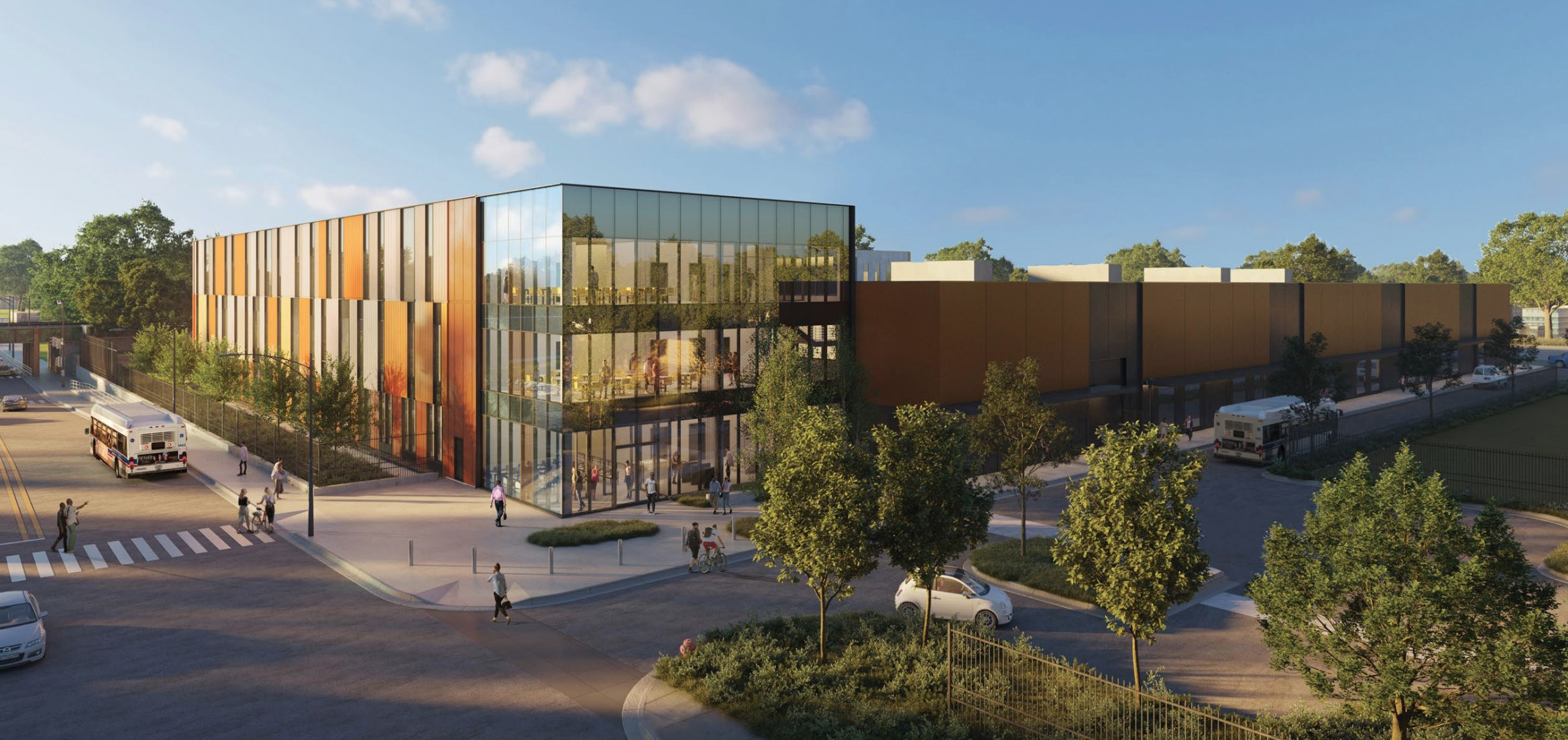
| West Garfield ParkFull building permit issued for CTA Training and Control CenterThe new facility will be located at 349 N. Pulaski |
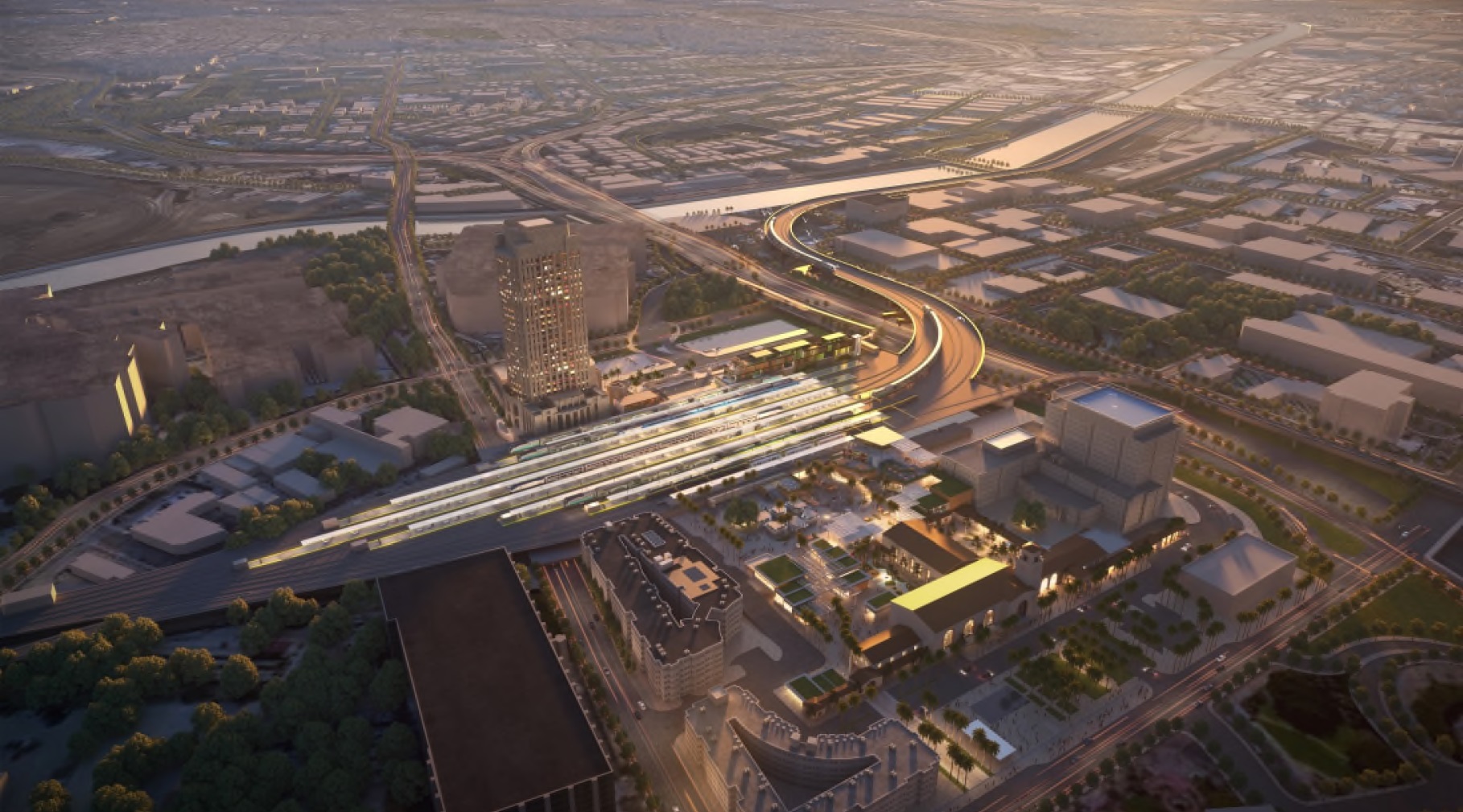
| DowntownMetro adopts new environmental report for Union Station overhaul$3-billion project calls for building run-through tracks over the US-101 Freeway |
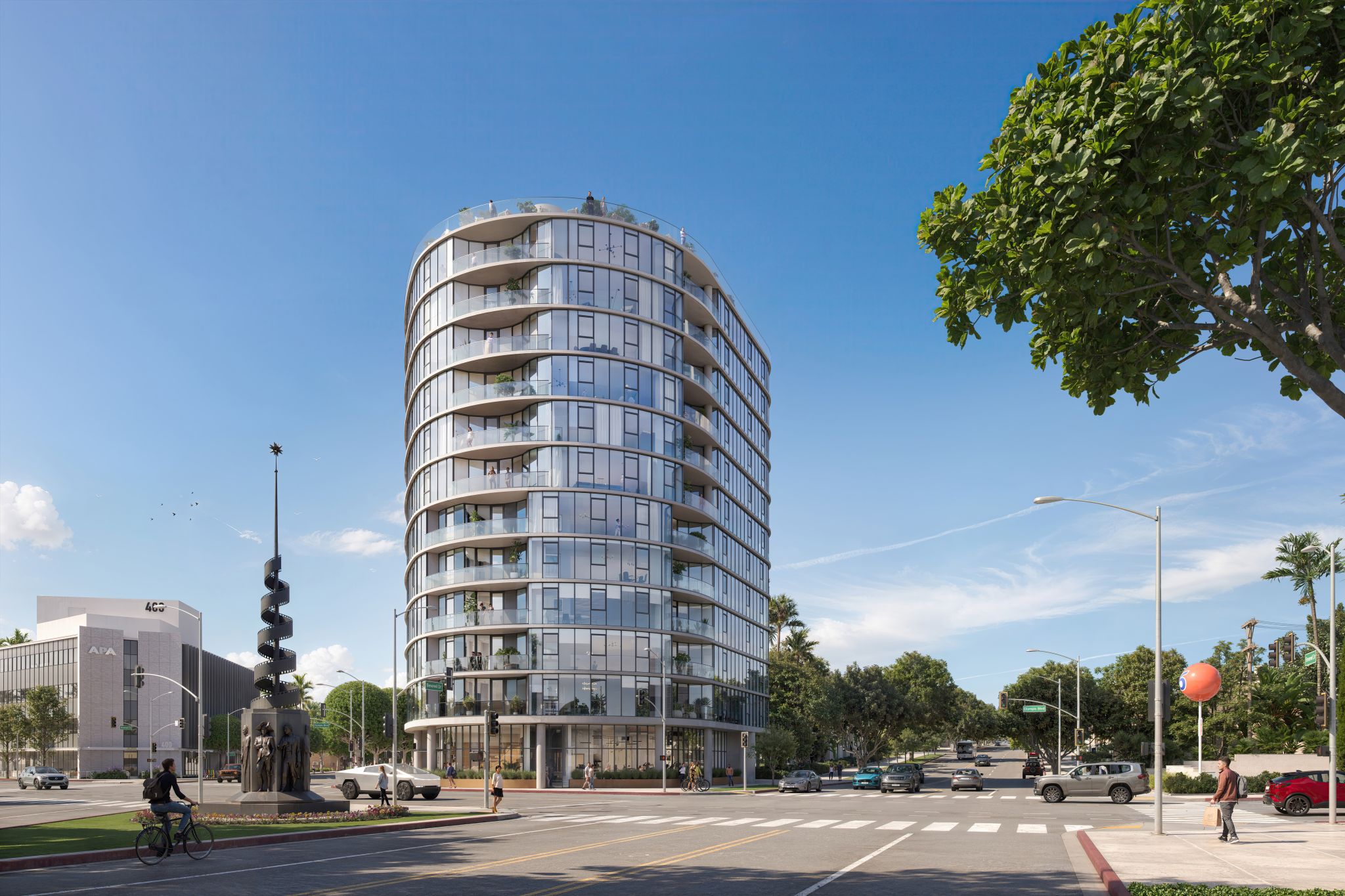
| Beverly HillsBeverly Hills Planning Commission signs off on two more Builder's Remedy developmentsAn eight-story building on Tower Drive and a 13-story tower on Olympic Boulevard |
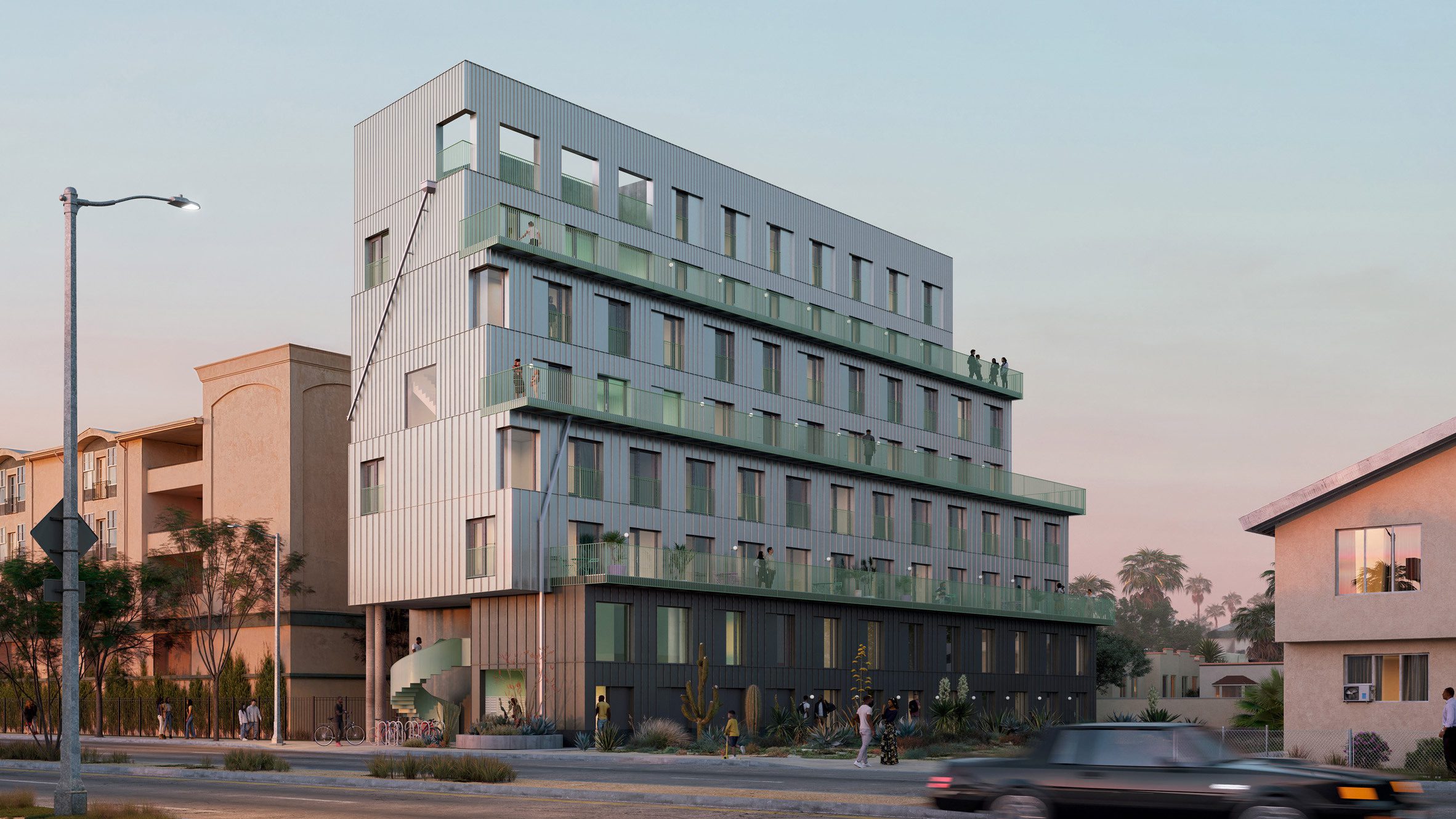
| RegionalL.A. prepares to offer up 12 small lots for infill developmentThe upcoming request for qualifications is part of the Small Lots, Big Impacts initiative |
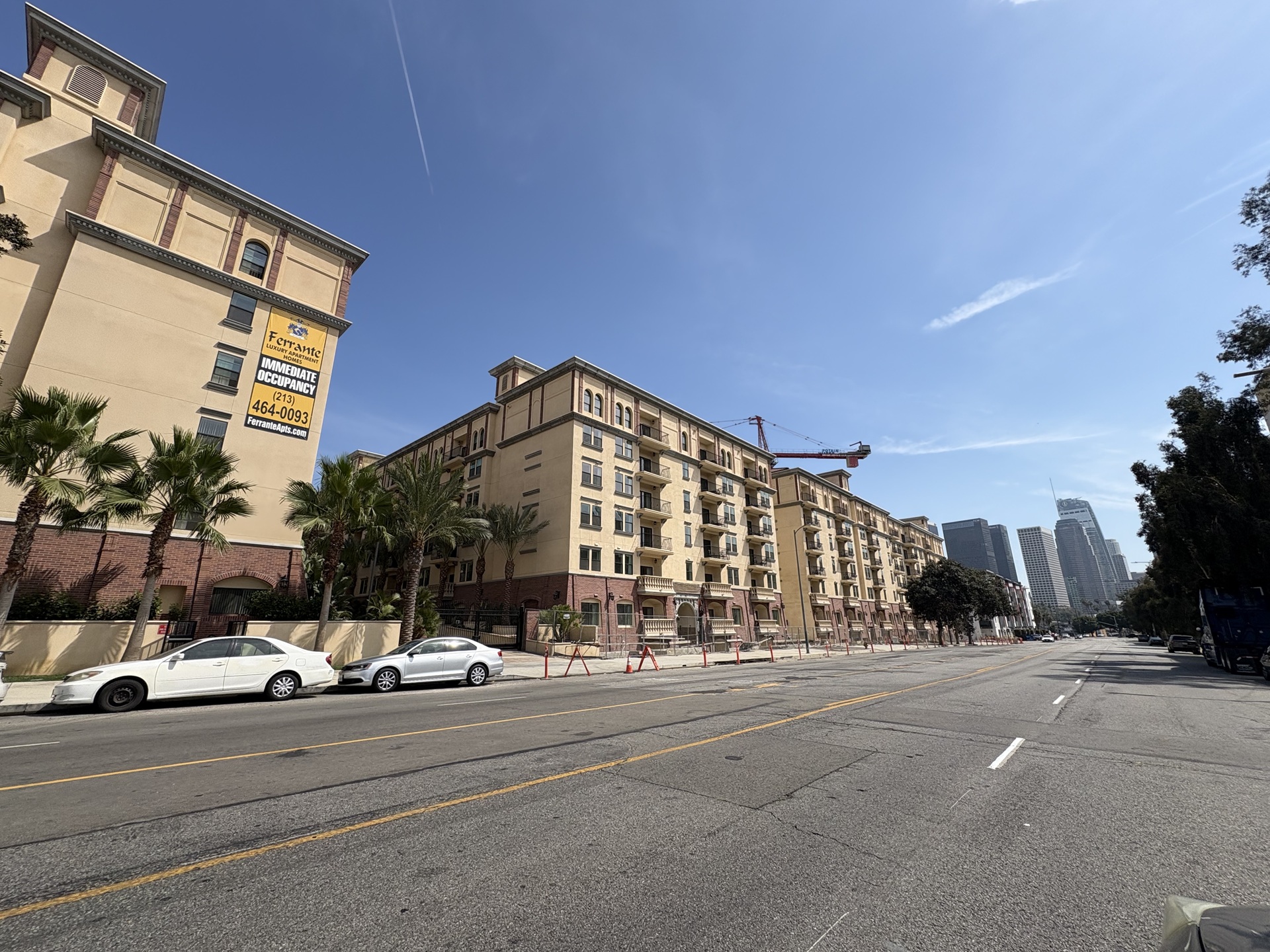
| DowntownFinal component of massive Ferrante apartment complex wraps up work in DTLAThe project includes 1,150 apartments next to the 110 Freeway |